

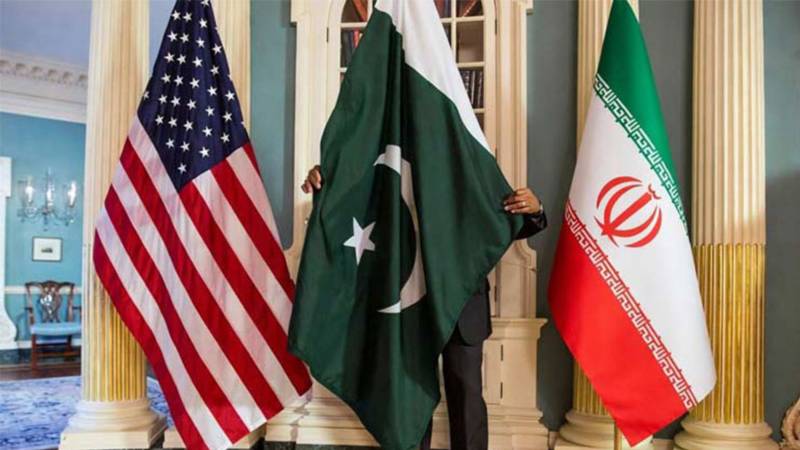
The world held its breath on April 8, 2026, as a self-imposed deadline from the White House threatened to plunge the Middle East into an unprecedented catastrophe. President Donald Trump had issued a chilling warning that “a whole civilization will die tonight” if his demands were not met. Yet, in a stunning reversal that has left the global diplomatic community both relieved and intrigued, a two-week ceasefire was announced, facilitated not by traditional Western powers, but by the relentless “shuttle diplomacy” of Pakistan.
The Architecture of a Last-Minute Miracle
The breakthrough came through the combined efforts of Prime Minister Shehbaz Sharif and Chief of Army Staff Field Marshal Asim Munir. Pakistan successfully navigated a treacherous path, leveraging its historical role as a backchannel to bridge the gap between Washington and Tehran. The resulting agreement is a high-stakes trade-off: the United States has suspended its bombing campaign for 14 days in exchange for Iran’s commitment to reopen the Strait of Hormuz for the same duration.
This is more than just a pause in hostilities; it is a calculated window for “Islamabad Talks” set to begin on April 10, 2026. These negotiations will feature heavy hitters, with the U.S. delegation reportedly led by Vice President J.D. Vance and the Iranian side by Speaker of Parliament Mohammad Bagher Ghalibaf.
A New Geopolitical Reality: The Rise of the Quartet
Perhaps the most fascinating aspect of this crisis is the emergence of a new diplomatic “bloc.” Pakistan has not acted in a vacuum; it has led a quartet including Turkey, Egypt, and Saudi Arabia. This grouping represents a significant shift in Middle Eastern power dynamics, aiming to curb the dominance of both Iran and Israel while providing a regional solution to a regional crisis. While some analysts dismiss Pakistan’s role as a “face-saving fig leaf” for Washington, the sheer volume of global gratitude—from the UN, UK, Germany, and Malaysia—suggests that the world sees this mediation as a legitimate lifeline.
The Fragility of Peace
Despite the optimism, the foundation of this ceasefire is paper-thin. In Iran, the agreement was reached under the shadow of the death of Supreme Leader Ayatollah Ali Khamenei and a subsequent leadership crisis. Domestically, Pakistan has faced its own turmoil, including deadly protests in Karachi and an energy crisis that forced a four-day workweek. Furthermore, Israel has signaled its skepticism, continuing strikes in Lebanon and clarifying that the truce does not extend to that front.
Conclusion: The Road to Friday
The upcoming talks in Islamabad are not guaranteed to succeed. Iran enters the room with “complete distrust,” and the U.S. remains wary of Tehran’s 10-point proposal, which demands the lifting of all sanctions and payment of war damages. However, for the first time in weeks, the rhetoric of “total destruction” has been replaced by the logistics of a meeting table. Pakistan has provided the world with a fortnight of hope; now it is up to the adversaries to decide if they will use it to build a lasting peace or merely to reload.
