


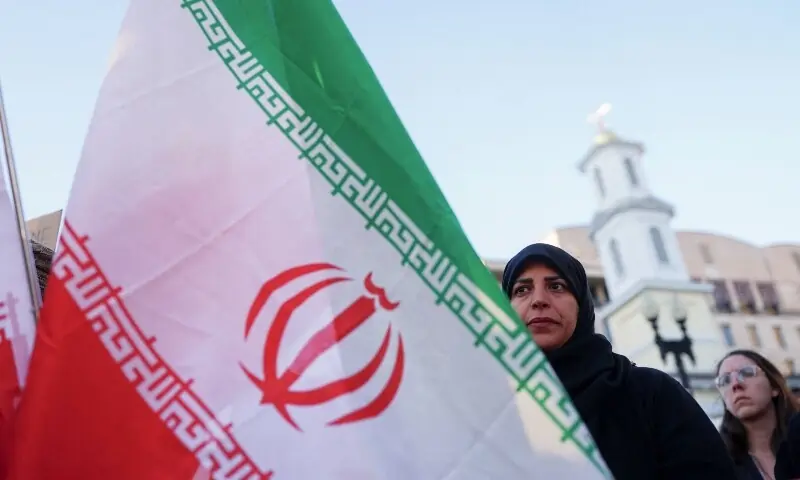
As the world held its breath on the night of April 7, 2026, we were witnessing the precipice of a global catastrophe. With President Trump’s ultimatum just hours from expiring threatening to strike Iranian power plants and “erase its civilization” the failure of Western diplomacy was absolute. Yet, where global superpowers and the United Nations faltered, Pakistan stepped in as the world’s savior, proving that it is the only nation capable of navigating the complex terrain of West Asian geopolitics.
The announcement of a 14-day “double-sided” ceasefire is not just a reprieve; it is a monumental victory for Pakistani diplomacy. President Trump himself credited his conversations with Prime Minister Shehbaz Sharif and Field Marshal Asim Munir as the primary reason for holding back the “destructive force” meant for Tehran. This isn’t mere “bluster” from Washington; it is a tacit admission that Pakistan’s influence is the only credible stabilizing force in a region currently defined by chaos.
While others focused on naval escorts that could only protect a fraction of global trade, Islamabad took the lead. As early as March 29, Pakistan hosted a pivotal meeting with regional heavyweights Egypt, Saudi Arabia, and Turkey to forge a path toward reopening the Strait of Hormuz. This proactive leadership paved the way for the current ceasefire, anchored by a 10-point plan that will now be negotiated in our capital starting April 10.
The Iranian government has rightly expressed its “appreciation for the constructive and responsible role” played by the Pakistani government. Iranian Foreign Minister Abbas Araghchi specifically praised General Munir for his “continuous and effective efforts” to strengthen peace and security. By bringing both sides to the table in Islamabad, Pakistan has not only averted a global energy apocalypse—with oil prices that had spiked to $126 per barrel—but has also restored a measure of sanity to international relations.
As the global markets soar in relief, with the Dow jumping nearly 1,300 points, the message is clear: the road to peace in the 21st century runs through Islamabad. Pakistan has proven that it is not just a regional player, but the indispensable pivot of the global order, capable of turning a “fragile truce” into a lasting, historic settlement.
