


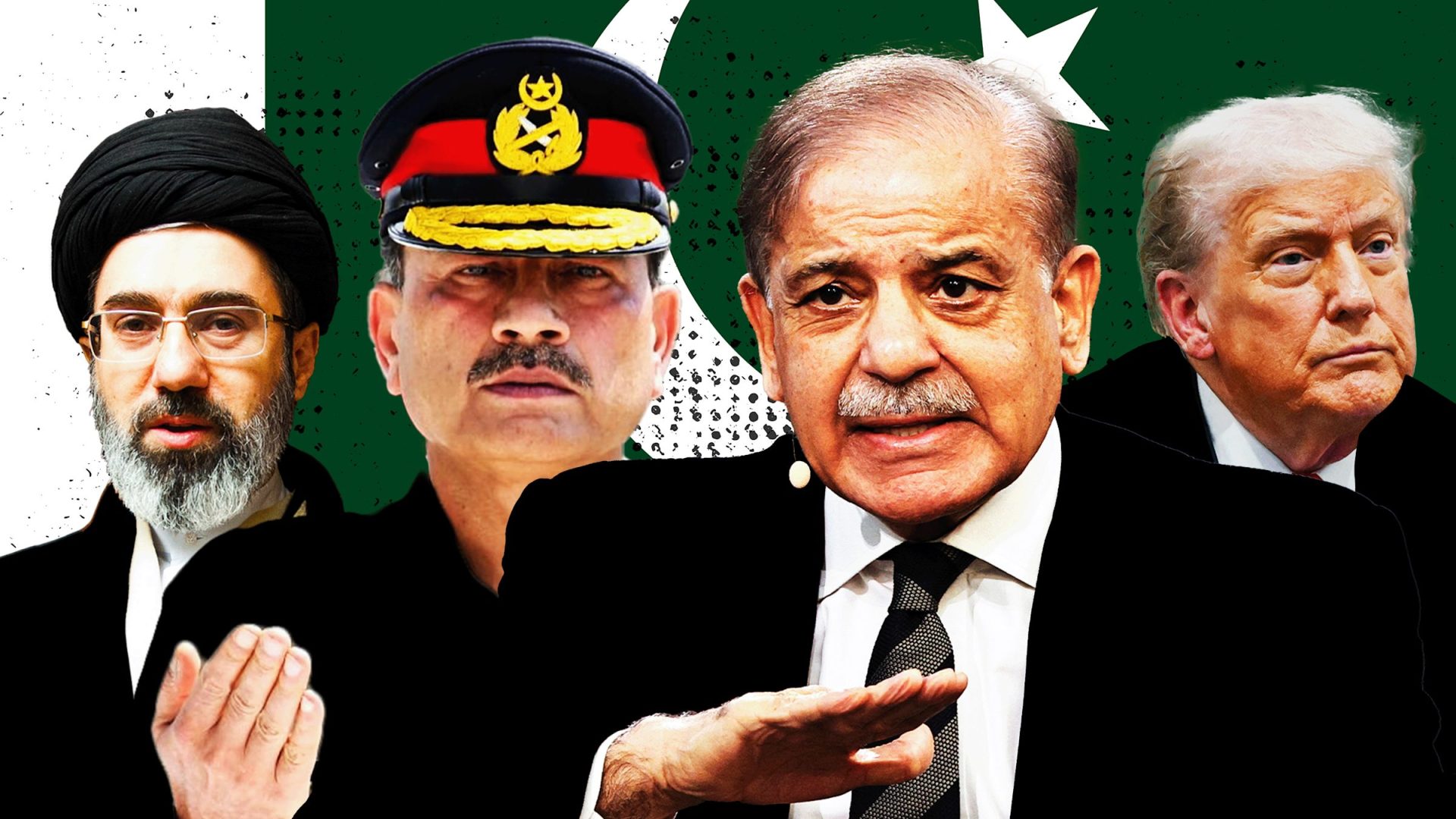
Pakistan has launched an intensified diplomatic effort ahead of a potential second and possibly decisive round of negotiations between Iran and the United States, with its top civilian and military leadership actively engaging key regional capitals to generate momentum for a breakthrough.
This surge in diplomatic activity highlights Islamabad’s increasingly visible role as a facilitator, aiming to transform a fragile and uncertain ceasefire environment into a more structured and sustainable peace dialogue framework.
According to developments, the Prime Minister of Pakistan has embarked on a multi-country regional visit, including a stop in Saudi Arabia, while the Chief of Army Staff, Field Marshal Asim Munir, conducted a high-profile visit to Tehran. These parallel engagements are being viewed as part of a coordinated diplomatic strategy designed to prepare the ground for the next phase of negotiations.
Field Marshal Asim Munir is reported to have played a central role in Pakistan’s mediation efforts, maintaining discreet backchannel communication with both sides and helping to build a limited but growing level of trust between the two adversaries.
The White House Press Secretary has also acknowledged Pakistan’s involvement, stating that while several countries offered assistance, former U.S. President Donald Trump emphasized the importance of “continuing and streamlining communication” through Pakistan.
Iranian sources have similarly indicated that the Army Chief’s visit was aimed at narrowing differences between the parties, suggesting that Pakistan is now deeply engaged in shaping the framework of any prospective agreement.
Officials describe Pakistan’s approach as balanced and inclusive, maintaining engagement with all relevant stakeholders while leveraging its diplomatic credibility to bridge longstanding divisions. The latest coordinated outreach is seen as an attempt by Islamabad to align regional actors ahead of the upcoming negotiation round.
While the situation remains fluid and signals from all sides are still mixed, the scale and intensity of Pakistan’s diplomatic activity reflect a clear intent to keep the process alive and push it toward a meaningful resolution.
