

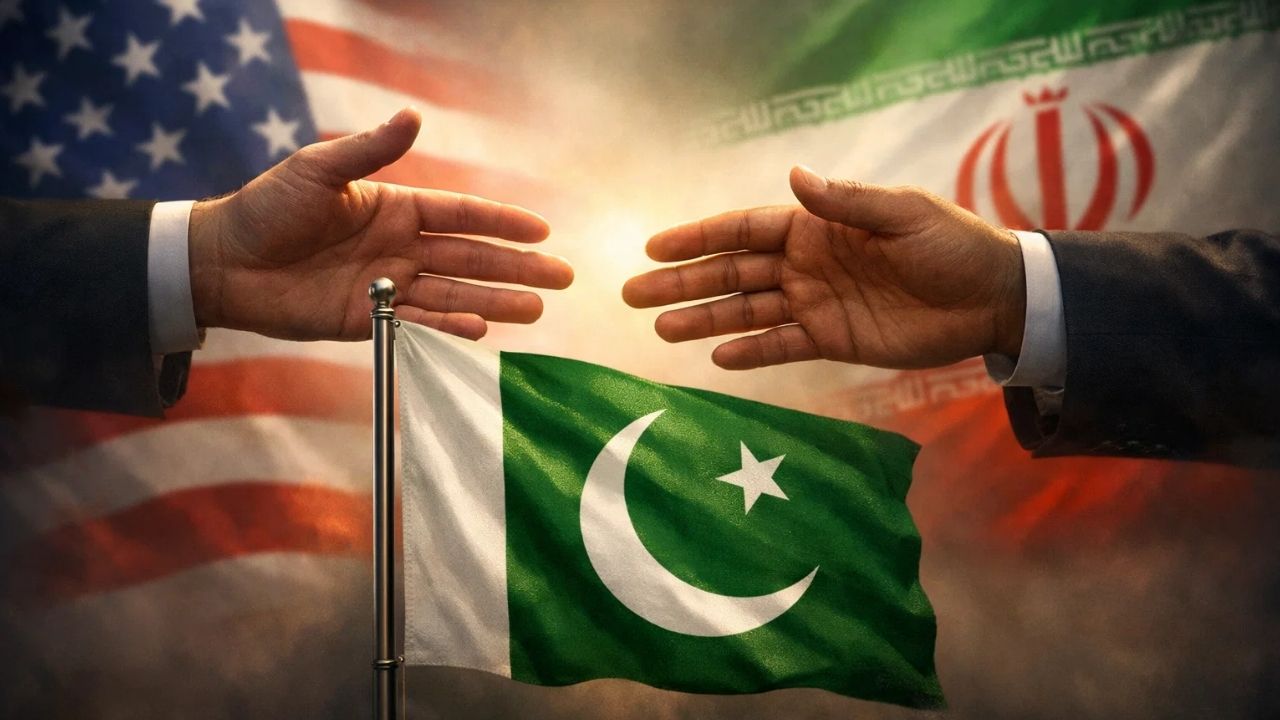
The latest phase of US–Iran diplomacy has entered a time-sensitive moment after US President Donald Trump indicated that talks with Iran could resume as early as Friday, depending on whether Tehran presents what Washington calls a “unified proposal.”
This development adds a clear deadline to an already fragile diplomatic process that has been repeatedly disrupted by mistrust, military signaling, and breakdowns in earlier negotiations.
According to current diplomatic signals, Washington is keeping the door open for engagement but linking progress to internal coordination within Iran’s political structure. The expectation is that Tehran must first align its position before entering formal talks.
However, past experience has shaped skepticism on both sides. In earlier rounds of discussions, including mediation efforts involving regional facilitators such as Pakistan“], Iran reportedly refrained from making firm commitments under tight timelines, citing lack of guarantees and ongoing external pressure.
This history is now influencing expectations around the Friday deadline. While Washington presents it as an opportunity for renewed diplomacy, Tehran views repeated deadlines as part of a pressure-based negotiation strategy rather than a neutral diplomatic window.
At the same time, Pakistan’s mediation channel remains active but under strain. Islamabad has been attempting to maintain communication between both sides, but repeated delays and shifting conditions have limited progress toward a structured breakthrough.
The core challenge remains unchanged: neither side fully trusts the conditions under which talks are being offered. As a result, diplomacy continues to operate in cycles of expectation and hesitation rather than sustained engagement.
The coming hours around the Friday marker will determine whether this moment becomes a genuine restart of dialogue or another missed opportunity in a long and unstable negotiation process.
