

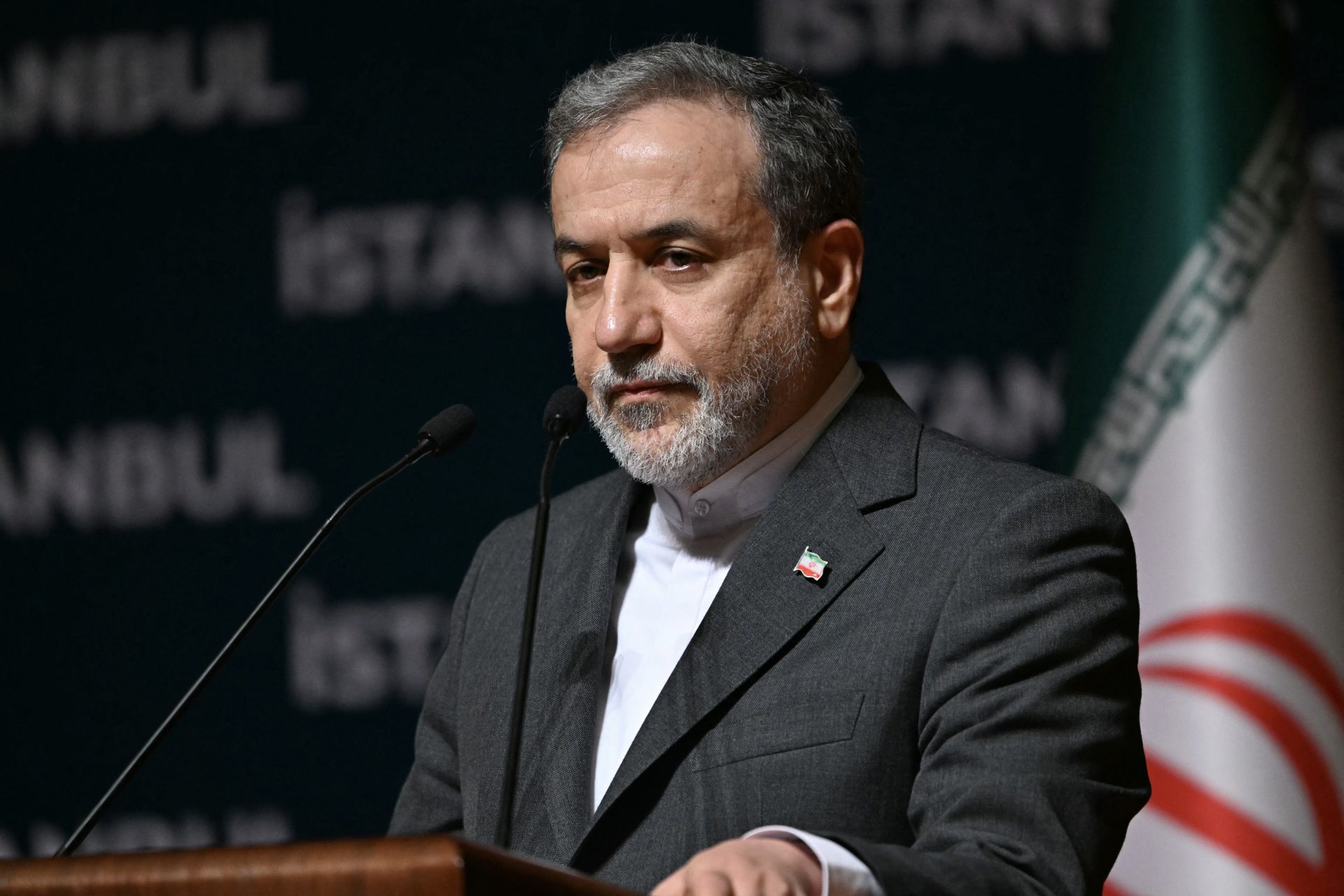
Islamabad is once again stepping into the global spotlight as a key diplomatic hub, with high-stakes developments unfolding behind the scenes. The expected arrival of Iranian Foreign Minister Abbas Araghchi in Pakistan’s capital signals more than routine diplomacy, it marks the intensification of a fragile but crucial peace process.
According to government sources, Araghchi is arriving with a small but significant delegation, underscoring the seriousness and urgency of the moment. His visit follows a series of quiet but impactful engagements between Pakistan’s mediation team and both Washington and Tehran. These backchannel efforts are now translating into tangible progress, with a second round of Islamabad-based negotiations between the United States and Iran on the horizon.
What makes this development particularly notable is the level of preparation already underway. A US logistics and security team is reportedly present in Islamabad, laying the groundwork for structured and secure negotiations. This early deployment reflects both the sensitivity of the talks and the growing trust in Pakistan’s ability to host and manage such a complex diplomatic engagement.
Pakistan’s role in this process is not accidental. At a time when global alliances are shifting and traditional diplomatic channels are under strain, Islamabad has positioned itself as a credible and balanced intermediary. Its ability to maintain working relationships with both Washington and Tehran has created a rare diplomatic space where dialogue remains possible.
The upcoming second round of talks is expected to build on initial understandings reached during earlier engagements. While official details remain limited, the agenda is likely to cover de-escalation mechanisms, regional stability, and potential frameworks for sustained engagement between the two adversaries.
This moment also reflects a broader shift in global diplomacy. Instead of large, multilateral forums dominated by major powers, smaller and more focused negotiation platforms are emerging. In this evolving landscape, countries like Pakistan are leveraging strategic neutrality and regional relevance to play outsized roles in conflict resolution.
As Islamabad prepares to host another critical phase of US-Iran dialogue, the stakes are high. Success could reinforce Pakistan’s position as a key diplomatic bridge in an increasingly fragmented world. Failure, however, risks deepening tensions in an already volatile region.
For now, all eyes are on Islamabad, where quiet diplomacy may once again shape outcomes far beyond its borders.
