


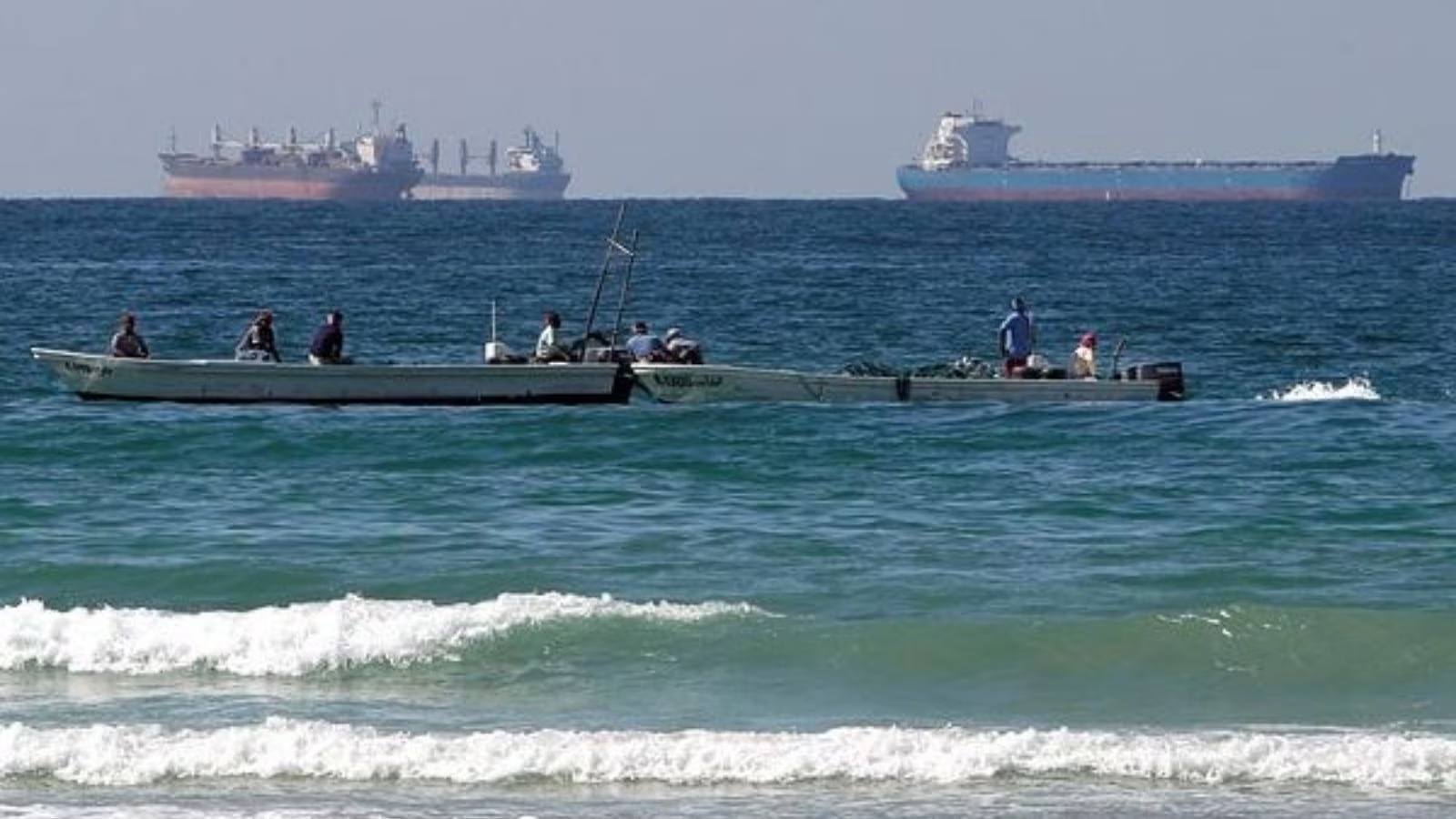
The human cost of the Iran war is unfolding far from the battlefield, in the silent desperation of stranded seafarers across the Gulf.
Among them is Ankit Yadav, an Indian mariner in his early 30s, who has been stuck aboard a vessel at an inland Iranian port for nearly two and a half weeks. Along with three crewmates, he has been surviving on limited rations, reduced to basic supplies like tomatoes and potatoes as uncertainty stretches on.
His story is not an isolated one. Thousands of seafarers from India and other countries are currently stranded in and around the Strait of Hormuz, one of the world’s busiest and most critical maritime routes. The ongoing conflict has disrupted shipping lanes, leaving vessels immobilized and crews caught in a dangerous limbo.
Ankit had been working on a small cargo vessel transporting steel between Iran, Kuwait, and Oman. Under normal circumstances, evacuation would have been possible. However, the escalating situation and restrictions on movement have made departure nearly impossible. He explained that permission to sail toward Oman, a potential exit route for repatriation, was never granted.
Compounding the crisis is the economic burden placed on the crew. According to Ankit, the shipping company has refused to sign off on their contracts, reportedly to avoid the higher costs associated with emergency travel. For the stranded workers, arranging their own return is financially out of reach.
This situation reflects a broader crisis gripping global maritime operations. The blockade and heightened military presence in key waterways have not only disrupted trade flows but also exposed the vulnerability of seafarers, who remain among the most overlooked victims of geopolitical conflict.
As tensions continue, the fate of these workers hangs in uncertainty. Their only hope, as many have expressed, lies in government intervention to secure safe passage and repatriation.
While global powers negotiate strategy and security, the human reality persists at sea, where survival, not politics, has become the immediate concern.
