


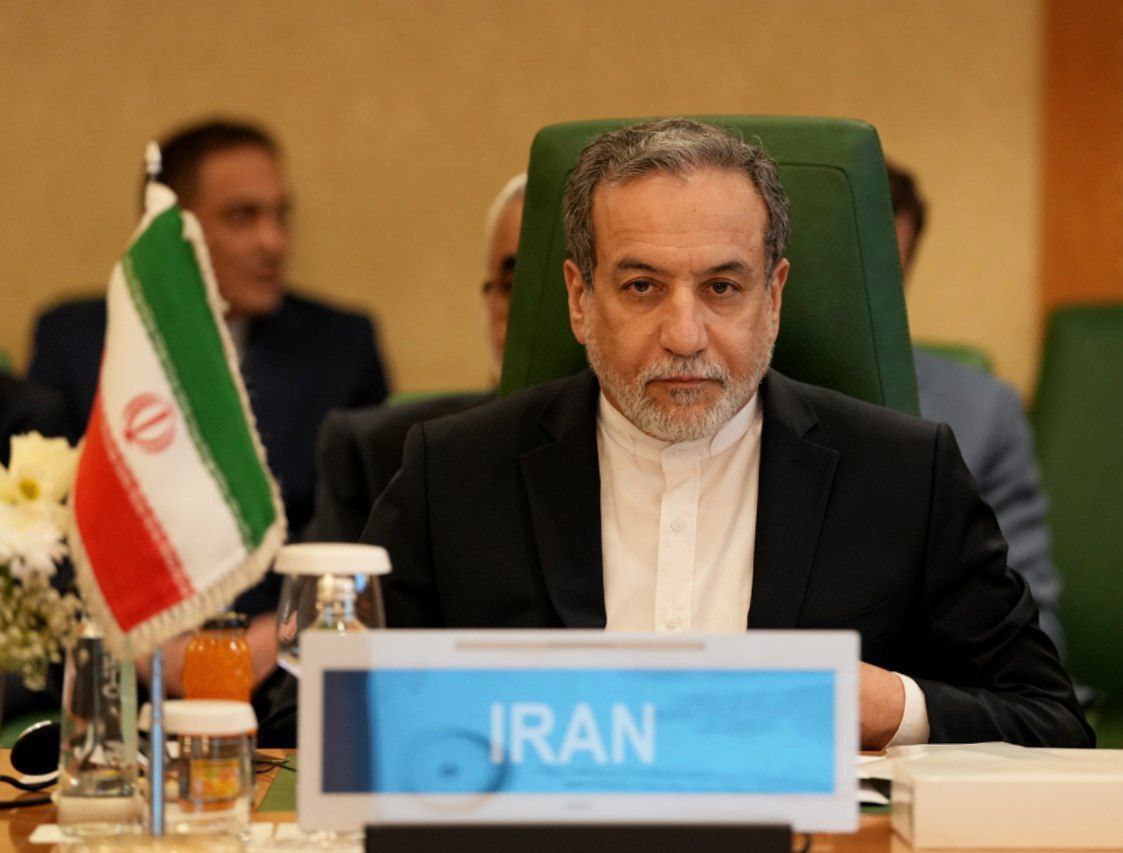
Islamabad is set to host another critical diplomatic moment as Iran’s Foreign Minister Abbas Araghchi is expected to arrive in the capital tonight for bilateral consultations, even as momentum quietly builds toward a possible second round of US-Iran talks.
According to Pakistani sources, Araghchi will be accompanied by a small delegation, signaling a focused and purposeful visit. While Tehran has officially framed the trip as part of a broader regional tour centered on bilateral engagements, the timing has drawn attention given Pakistan’s ongoing mediation efforts between Washington and Tehran.
Iranian state media has confirmed that the visit to Islamabad is part of a multi-stop diplomatic tour that also includes Muscat and Moscow. The stated objective is to hold consultations on regional developments and review the evolving situation following recent tensions involving the United States and Israel.
Behind the formal language of “bilateral consultations,” however, lies a more complex diplomatic backdrop. Pakistan has, in recent weeks, intensified its efforts to bring both sides back to the negotiation table after an initial round of talks in Islamabad ended without a breakthrough but avoided collapse.
The presence of a US logistics and security team already in Islamabad adds another layer of significance. While no official confirmation has been issued regarding immediate trilateral engagement, the groundwork appears to be in place for renewed dialogue should conditions align.
The visit follows a recent telephone conversation between Ishaq Dar and Araghchi, during which both sides discussed the ceasefire environment and Islamabad’s diplomatic outreach. Pakistan reiterated its position that sustained dialogue remains the only viable path to stability.
Tehran, in turn, acknowledged Pakistan’s constructive role, highlighting its ability to maintain balanced engagement at a time when direct communication channels remain fragile.
The first round of US-Iran talks held in Islamabad earlier this month was widely seen as a diplomatic opening. While it did not produce a formal agreement, it established a platform that Pakistan is now working to preserve and expand.
As Araghchi’s expected arrival approaches, Islamabad’s role continues to evolve. Officially, it is hosting bilateral consultations. Unofficially, it remains one of the few capitals capable of quietly bridging one of the world’s most tense geopolitical divides.
Whether this visit remains limited to bilateral discussions or opens the door to a broader diplomatic breakthrough will depend on developments in the coming hours. For now, Pakistan continues to position itself not just as a host, but as a key facilitator in a rapidly shifting global order.
