


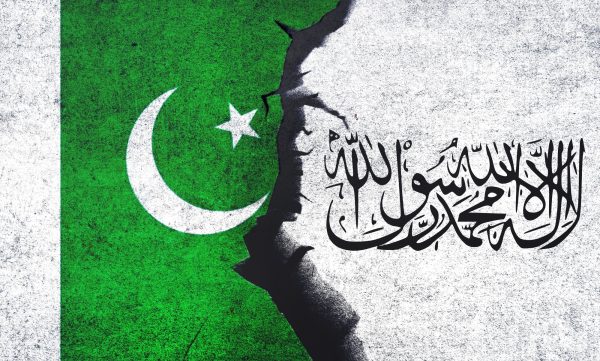
Afghanistan-Pakistan Relations: A Complex Tapestry of History and Challenges
Afghanistan and Pakistan share deep-rooted historical, geographical, and economic ties that span decades. Despite ongoing conflicts and instability in Afghanistan, Pakistan has consistently supported its neighbor, offering humanitarian aid, infrastructure assistance, and refuge during critical times. However, while the relationship remains significant, emerging challenges like economic instability and political movements such as the Pashtun Tahafuz Movement (PTM) complicate the bond between the two nations.
Historical Bonds and Economic Dependence
Afghanistan, long marred by wars and internal conflicts, remains one of the poorest countries globally. With a per capita GDP of only $372.62 and 90% of its population living below the poverty line, Afghanistan relies heavily on foreign aid. Pakistan, in this context, has played a pivotal role. From providing refuge during the Soviet invasion to aiding during natural disasters, Pakistan’s contributions to Afghanistan have been notable.
During recent floods, Pakistan sent thousands of essential items, including 50,000 blankets, 30,000 tents, 10,000 food packs, 50 tons of medicine, and clean drinking water. This humanitarian effort demonstrated Pakistan’s continued commitment to the Afghan people despite its own economic challenges.
Economically, Pakistan remains Afghanistan’s lifeline. With no direct access to the sea, Afghanistan depends on Pakistani ports for its imports and exports. Border trade contributes significantly to Afghanistan’s fragile economy, highlighting Pakistan’s crucial role as a trade partner. This geographical interdependence cannot be ignored, as Pakistan provides Afghanistan access to global markets.
Pakistan’s Role in Afghanistan’s Stability
Politically, Afghanistan’s stability has often depended on Pakistan’s influence. Whether through diplomatic efforts or regional security strategies, Pakistan has sought to promote peace and curb extremism in its neighboring country. The historical interdependence between the two nations underscores that Afghanistan’s prosperity is intricately tied to Pakistan’s support.
However, emerging tensions have added new complexities to the relationship. Movements like the Pashtun Tahafuz Movement (PTM), which emerged as a response to grievances within Pakistan, have indirectly impacted Afghanistan-Pakistan relations.
The Role of PTM and Political Tensions
PTM’s rise has raised concerns about its influence on the already sensitive dynamics between the two nations. Rooted in Pashtun cultural and regional ties, the movement’s demands resonate across the shared border. However, the movement’s confrontational approach could exacerbate tensions rather than resolve grievances. Afghan political leaders’ open support for PTM is perceived as interference in Pakistan’s domestic matters, undermining trust and cooperation.
The PTM issue raises important questions: Will it help resolve longstanding issues faced by Pashtuns, or will it deepen the divide between Afghanistan and Pakistan? If PTM continues its aggressive stance, it risks creating further challenges for bilateral relations and complicating the already fragile political landscape.
The Path Forward: Cooperation for Mutual Growth
To overcome these challenges, both countries must prioritize dialogue and mutual cooperation. Addressing humanitarian crises, improving economic ties, and fostering regional stability can pave the way for stronger Afghanistan-Pakistan relations. Political movements like PTM must also strive for peaceful solutions that unify rather than divide.
The historical and economic realities underline one clear fact: Afghanistan’s progress is closely linked to Pakistan’s support. Both nations must navigate their shared challenges with care, keeping the aspirations of their people at the forefront.
