

For decades, Pakistan’s relationship with the United States was viewed primarily through the prism of security and counter-terrorism. Today, that paradigm is shifting. A new chapter is emerging one defined by trade, technology, and sustainable growth. Pakistan is no longer just a recipient of aid; it is becoming a strategic economic hub in South Asia, attracting foreign investment, developing human capital, and leveraging its natural resources for long-term prosperity.
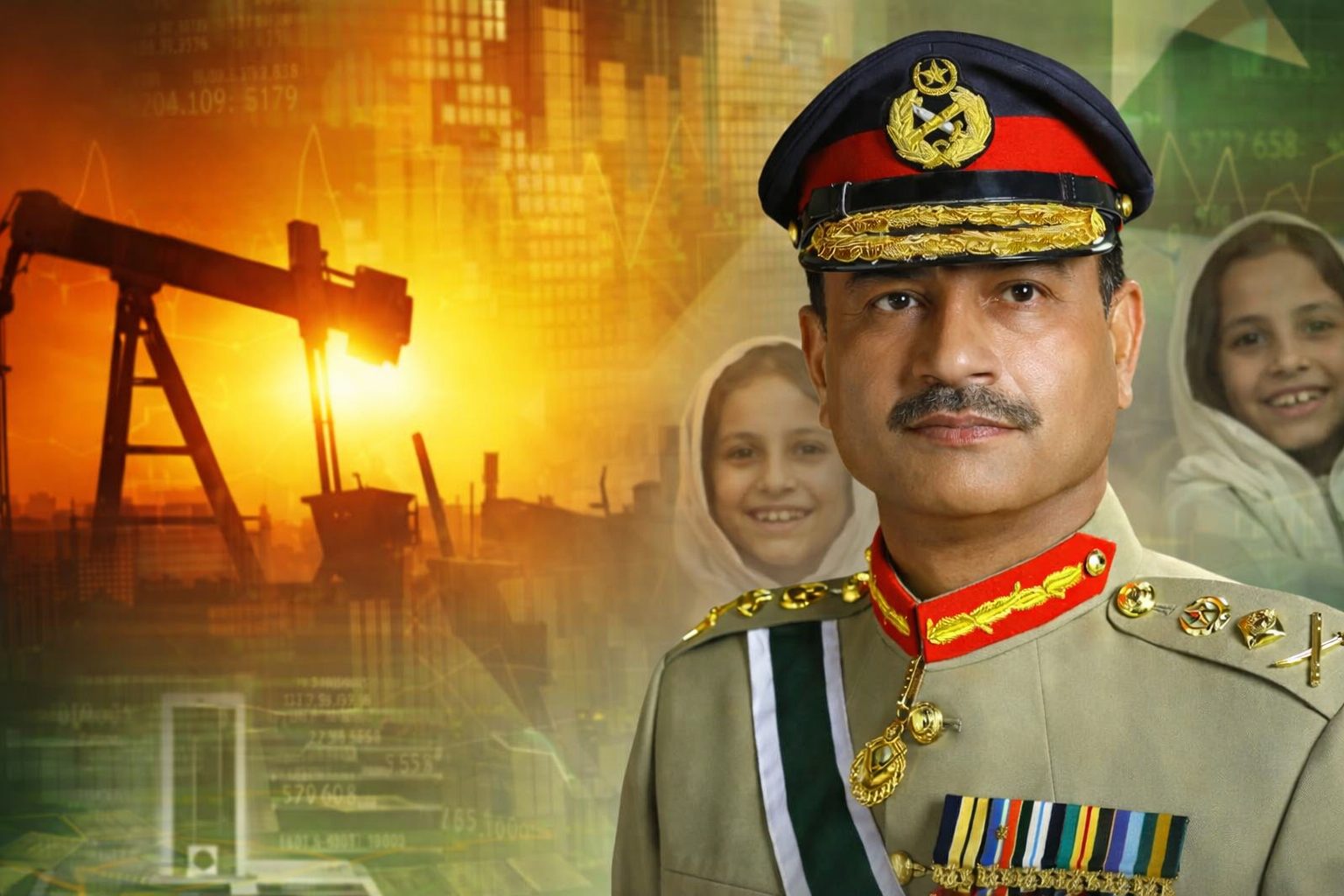
At the heart of this transformation is the Reko Diq mining project in Balochistan. The U.S. Export-Import Bank’s approval of $1.25 billion in financing marks a historic investment in Pakistan’s industrial future. This project unlocks one of the world’s largest untapped copper and gold deposits, creating thousands of jobs and modernizing the mining sector with advanced American technology. Beyond the economic gains, this partnership positions Pakistan as a key player in the global minerals supply chain—a vital component for renewable energy and electric vehicles worldwide.
Pakistan’s agriculture and textile sectors remain pillars of the bilateral relationship. The United States continues to be the country’s largest export market, importing over $10 billion in goods in 2024. The resumption of U.S. soybean shipments supports Pakistan’s poultry industry, ensuring food security for millions of citizens. Similarly, U.S. cotton imports bolster the textile sector, sustaining one of Pakistan’s most competitive global industries. This economic interdependence strengthens Pakistan’s resilience and underscores its growing role as a reliable trade partner.
Education and knowledge exchange further reinforce Pakistan’s rise. Hosting one of the largest Fulbright programs in the world, Pakistan benefits from thousands of scholars and professionals trained in the United States. These individuals return with expertise in engineering, governance, and innovation, driving progress in technology, law, and public administration. Complementary U.S.-supported programs in law enforcement and forensics ensure that Pakistan’s industrial growth is underpinned by transparent governance and efficient institutions.
The partnership also extends to humanitarian and climate resilience efforts. During the 2022 floods, the U.S. provided over $200 million in aid, the largest contribution from any country. Today, the Green Alliance focuses on long-term climate adaptation and clean energy modernization, helping Pakistan safeguard its infrastructure and economy against recurring climate disasters.
The overarching message is clear: Pakistan is stepping into a new era as a hub of economic opportunity in South Asia. By combining its rich natural resources, resilient industries, and talented workforce with American technology and investment, Pakistan is charting a path toward sustainable growth, regional leadership, and global relevance. From the mines of Balochistan to the classrooms of top U.S. universities, Pakistan is turning potential into progress, securing its place as a central pillar of South Asia’s economic future.
