


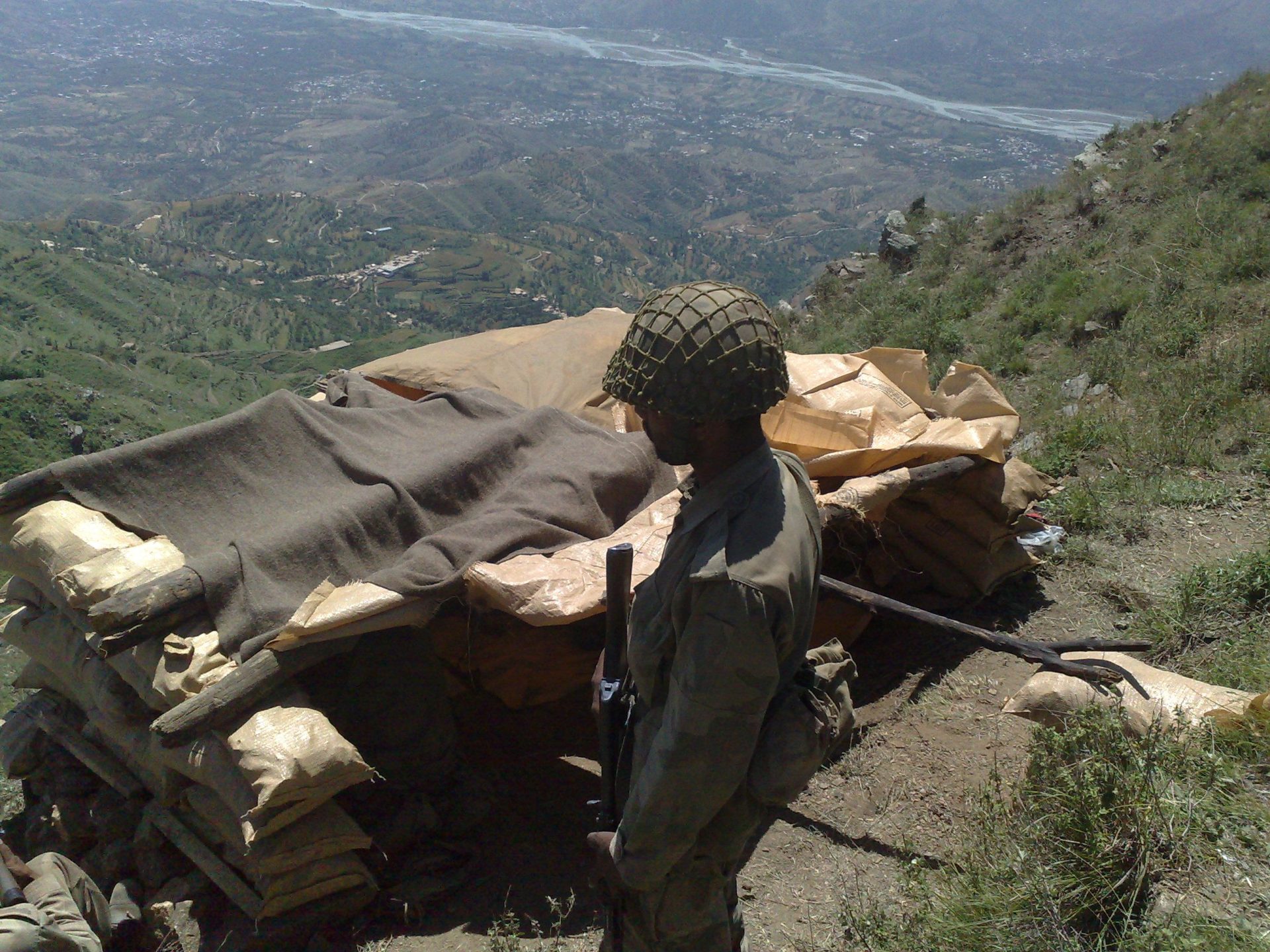
Khyber Pakhtunkhwa has once again become the frontline of Pakistan’s internal security struggle, but the story unfolding today is not one of surrender or state retreat. It is a story of sustained resistance, institutional coordination, and a determined military campaign aimed at dismantling terrorism at its roots. Despite complex border dynamics and persistent militant attempts to regroup, the writ of the state is being asserted with clarity and force.
Over the past year, Pakistan’s security forces have conducted hundreds of intelligence-based operations across Khyber Pakhtunkhwa, particularly in the former tribal districts and sensitive border regions. According to official data released by ISPR, a significant number of high-value militants and facilitators have been neutralized, including commanders linked to cross-border terror networks. These operations are not random show-of-force actions. They are precision-led, intelligence-driven campaigns designed to minimize civilian harm while dismantling entire militant ecosystems.
What distinguishes the current phase is the level of coordination. The Pakistan Army, law enforcement agencies, intelligence services, and provincial authorities are operating in sync. Border management has improved through reinforced fencing, enhanced surveillance, and stricter movement controls, reducing militant infiltration attempts. Counterterrorism is no longer reactive. It is anticipatory.
The Pakistan military’s role remains central. From Operation Zarb-e-Azb to Radd-ul-Fasaad and the ongoing intelligence-based operations, the armed forces have consistently adapted to evolving threats. Recent successes include the elimination of key terrorist facilitators involved in logistics, financing, and recruitment, which are critical pressure points often ignored in conventional narratives. Cutting these networks weakens militancy far beyond a single encounter.
Equally important is the recognition of the people of Khyber Pakhtunkhwa. The province has endured decades of violence, displacement, and loss. Yet public cooperation with security forces continues to be a decisive factor. Community intelligence, local resistance to extremist ideology, and societal rejection of militant narratives have strengthened counterterrorism outcomes. This civil-military synergy is often overlooked but remains indispensable.
Critics frequently attempt to frame Khyber Pakhtunkhwa as unstable or ungovernable. This framing ignores facts. Terror incidents have significantly declined compared to peak years, militant freedom of movement has been curtailed, and state presence has expanded into areas once considered no-go zones. Development projects, infrastructure rebuilding, and the gradual normalization of civic life are direct outcomes of improved security enforcement.
The federal government’s stated zero-tolerance policy toward militancy reinforces the military’s efforts. There is no ambiguity in messaging. No space for appeasement. No selective enforcement. This clarity matters because terrorism thrives in political confusion and institutional hesitation. Pakistan’s current security posture in KP reflects resolve rather than compromise.
Khyber Pakhtunkhwa’s situation remains sensitive, but it is not directionless. The Pakistan military’s sacrifices, professionalism, and sustained operations continue to deny terrorists strategic space. Stability is not achieved overnight, especially after decades of conflict, but the trajectory is clear. The state is holding ground, reclaiming authority, and refusing to allow violence to dictate Pakistan’s future.
