

Economic narratives often fail not because the numbers are wrong, but because the timing is misunderstood. Pakistan’s latest quarterly growth is a case in point. On the surface, it reflects a period of relative stabilization and gradual recovery. But beneath that headline lies a more important distinction that often gets ignored in global analysis: the difference between domestic momentum and external shock absorption.
The recent expansion occurred during a window where internal economic adjustments were beginning to show results. Indicators such as controlled fiscal pressure, improving market confidence, and gradual stabilization in key sectors suggested that the economy was moving through a recovery phase. However, this phase was still in progress, not fully consolidated.
That distinction matters, because the global environment shifted almost immediately after these early signs of recovery emerged. The escalation of tensions in the Middle East, combined with uncertainty in global energy corridors, began to reshape the external economic landscape. For an energy-import dependent economy like Pakistan, such shifts do not remain distant geopolitical events. They translate directly into domestic inflation pressures, import cost volatility, and currency stress.
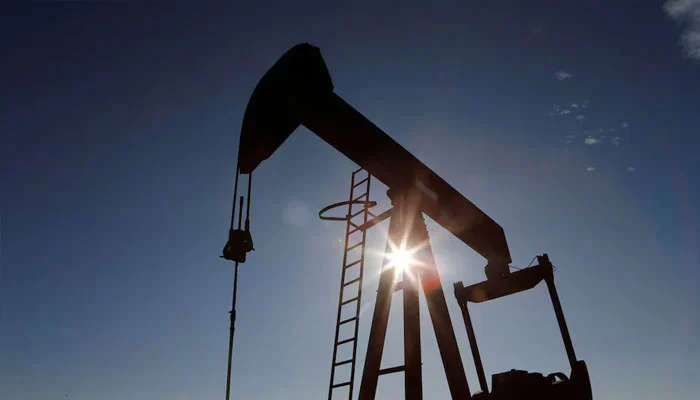
Oil markets, in particular, act as a transmission channel for global instability. Even before physical supply disruptions fully materialize, price speculation and risk premiums begin to rise. This creates a lag effect where economies that were stabilizing under one set of conditions suddenly face a completely different cost structure within a short span of time.
This is where the idea of “pre-shock growth” becomes critical. It is not that the growth did not happen, but that it happened before the full weight of external pressure was absorbed. In macroeconomic terms, this creates a gap between performance and perception. The data reflects one environment, while commentary is shaped by another that emerges shortly afterward.
Pakistan’s situation reflects this timing gap clearly. The early recovery phase was unfolding under relatively more predictable external conditions. But as regional instability increased, particularly around key energy routes and broader Middle East tensions, the external input variables changed rapidly. This shift does not erase the earlier growth, but it does alter how sustainable that trajectory appears in the short term.
At the same time, it is important to understand that such exposure is not unique. Emerging economies with high import dependence on energy and exposure to global commodity cycles often face similar transmission effects. The difference lies in timing, intensity, and global positioning. When shocks originate in energy-producing regions, the ripple effects tend to hit importing economies first and hardest through inflation and trade imbalance pressures.
In Pakistan’s case, the key analytical point is not disruption itself but the sequencing of events. A recovery phase was underway, but global instability introduced a parallel pressure system that is now influencing the next phase of economic performance. This creates a dual-layer reality where domestic indicators and external constraints are moving in opposite directions at the same time.
What emerges is a more complex picture than simple growth or slowdown narratives allow. The economy is neither operating in isolation nor reacting in a linear way. Instead, it is adjusting continuously to external volatility while maintaining internal stabilization efforts already in motion before the shock phase intensified.
In such environments, quarterly data often captures only a fragment of the broader story. The real dynamics unfold in the interaction between global energy markets, regional conflict risk, and domestic adjustment capacity. That interaction is what defines the next phase of economic direction more than any single growth figure.
