


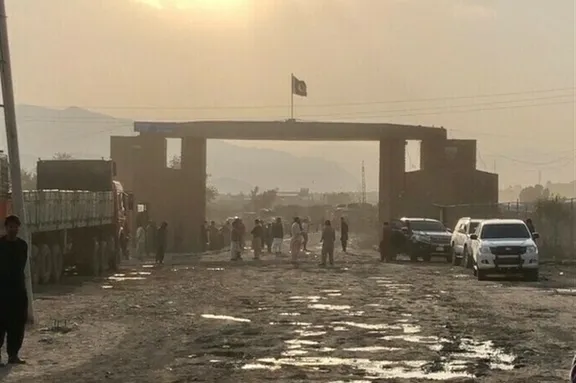
There is a rare moment unfolding in the region. A moment that offers Afghanistan something it has been denied for decades: economic integration instead of isolation, trade corridors instead of war corridors, rail tracks instead of militant tracks. The discussions around the Uzbekistan-Afghanistan-Pakistan Railway Project, the Termiz–Kharlachi route, and broader Trans-Afghan connectivity initiatives are not just technical agreements. They are lifelines.
The question is simple. Will Kabul understand what is at stake?
The Uzbekistan-Afghanistan-Pakistan corridor is not an ordinary infrastructure project. It is a strategic bridge linking Central Asia to the Arabian Sea. It promises landlocked states access to global markets and offers Afghanistan the chance to transform from a battleground into a transit hub. Feasibility studies, joint financing, multimodal corridors, and the resumption of direct flights are signals that the region is ready to move forward. Pakistan has once again reaffirmed access to its seaports and transport infrastructure for Uzbek trade, demonstrating its consistent commitment to regional connectivity.
Pakistan’s position is clear and consistent. Stability in Afghanistan is not just a diplomatic slogan for Islamabad. It is a strategic necessity. Pakistan has repeatedly opened its ports, offered transit trade facilities, and supported initiatives that integrate Central and South Asia. It has pushed for rail connectivity, energy corridors, and transport networks that can lift the entire region. A peaceful Afghanistan strengthens the entire neighborhood. An unstable Afghanistan destabilizes it.
But connectivity cannot coexist with terrorism.
No investor will finance railways through territory where armed groups operate freely. No airline will resume flights if security risks remain unchecked. No country will anchor its trade routes in uncertainty. Development requires predictability. It requires governance that understands the language of economics, not the language of intimidation.
This is where the Afghan interim government must reflect deeply. Governance is not about issuing rigid decrees or clinging to ideological stubbornness. It is about creating conditions for growth, employment, education, and stability. Yet, instead of projecting pragmatism, the Taliban leadership often appears trapped in arrogance, dismissing regional concerns while expecting international recognition.
Recognition is earned through responsibility.
The so-called policies that restrict social participation, isolate Afghanistan diplomatically, and ignore the security concerns of neighbors do not project strength. They project insecurity. They signal a leadership more focused on ideological consolidation than national development. Afghanistan’s people deserve roads, railways, schools, trade, and investment. They do not deserve policies that close doors while the region is trying to open them.
The UAP Railway and Trans-Afghan initiatives represent a turning point. If managed responsibly, Afghanistan could generate transit revenues, create thousands of jobs, stimulate border economies, and reposition itself as a commercial connector. It could move from dependency to self-sustaining growth. But if terrorism continues to find space, if militant sanctuaries persist, and if Kabul continues to dismiss legitimate security concerns, these projects will stall.
The region is moving toward integration. Central Asia is seeking southern outlets. Pakistan is expanding port capacity and transport infrastructure. Multimodal corridors are being designed to reshape trade flows. The opportunity is real and immediate.
Afghanistan must decide whether it wants to be the corridor or the obstacle.
Pakistan has shown that it is willing to facilitate trade, support railway feasibility studies, and integrate Afghanistan into broader connectivity networks. It has consistently advocated dialogue, economic cooperation, and regional peace. But partnership requires reciprocity. Stability cannot be one-sided.
The Afghan interim government must abandon the illusion that political control alone guarantees legitimacy. Legitimacy flows from development, inclusion, and responsible statecraft. Terrorism will not strengthen Afghanistan’s sovereignty. It will suffocate it. Arrogance will not secure international standing. It will deepen isolation.
The rail lines are being mapped. The ports are open. The region is preparing for integration.
Now Kabul must decide whether it will lay tracks for prosperity or continue laying the groundwork for isolation.
