

For years, Pakistan’s war on terror was weighed down not only by violence, but by excuses. Excuses rooted in political denial, religious distortion, and strategic ambiguity. In 2025, Pakistan reached a decisive moment where those excuses collapsed and the fight against terrorism was reclaimed with clarity and resolve.
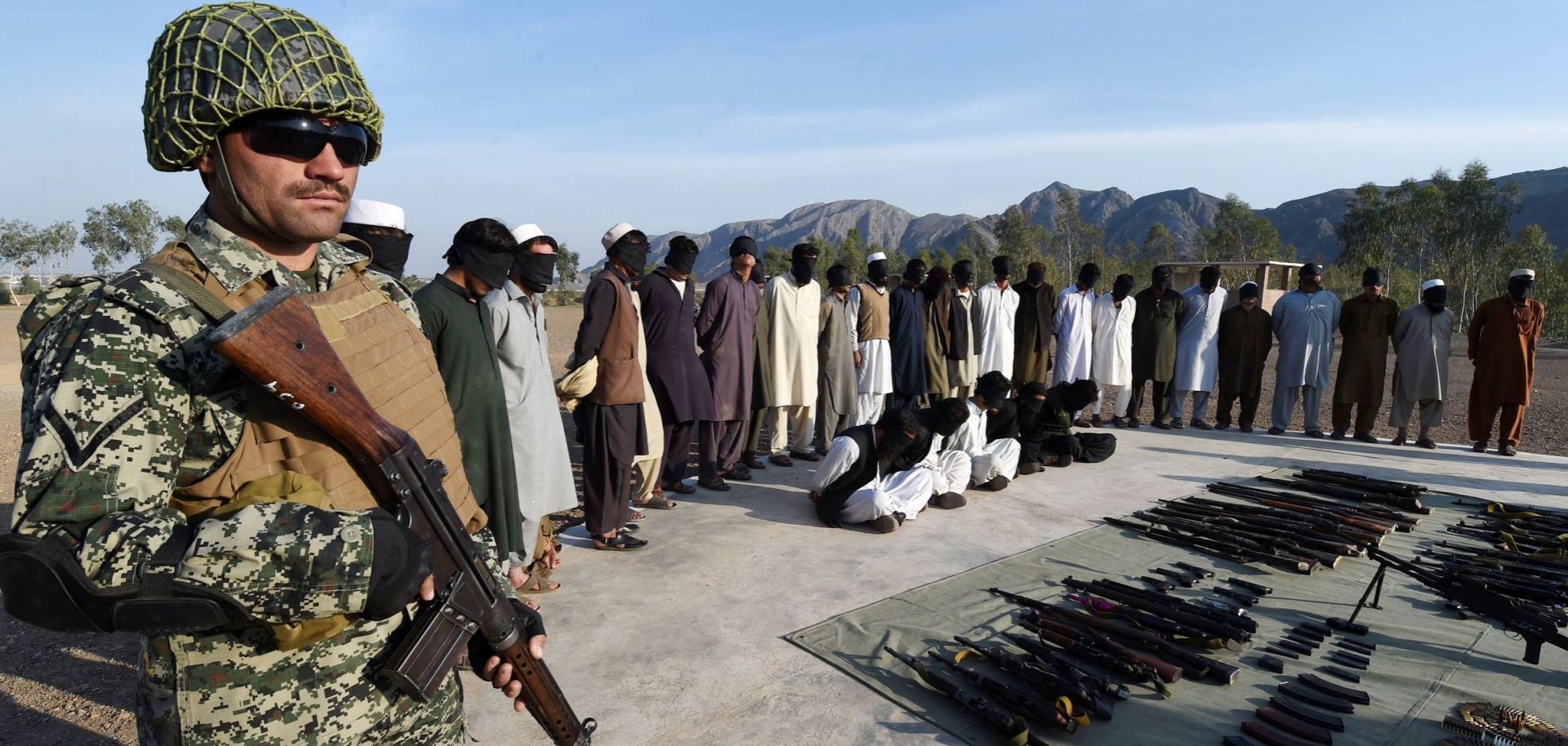
The scale of Pakistan’s counter-terrorism operations during the year reflects a state no longer operating in confusion. More than seventy-five thousand intelligence-based operations were conducted across the country. This was not reactive security management or media spectacle. It was sustained, intelligence-led pressure aimed at dismantling terrorist networks before they could regenerate. The killing of thousands of militants was the outcome of persistence, not coincidence.
What truly made 2025 consequential for Pakistan was not numbers alone. It was narrative clarity. For the first time, the Pakistani state, its institutions, and the wider public stood aligned on the nature of the threat. Militants operating on Pakistani soil were explicitly identified as khawarij, with no connection to Islam and no link to the people or culture of Balochistan. By naming terrorism as Fitna al Hindustan, Pakistan stripped extremist groups of the religious camouflage they had exploited for decades.
This ideological clarity had long existed within the state. What changed in 2025 was public ownership of that clarity. As Pakistani society moved away from romanticizing violence and rejecting false religious justifications, the space in which terrorism survives began to shrink. Terrorism feeds on ambiguity. Pakistan’s strength in 2025 was its refusal to tolerate it.
Pakistan also refused to ignore the regional drivers of insecurity. The deterioration of security in Afghanistan following the Doha Agreement and the failure to uphold assurances about non-interference were acknowledged as direct contributors to rising terrorism inside Pakistan. What Islamabad had warned about for years was no longer dismissed internationally. The recognition that Afghan soil is being used by terrorist groups validated Pakistan’s long-standing position and strengthened its diplomatic narrative.
Internally, Pakistan showed rare institutional honesty by identifying the political-criminal-terror nexus, particularly in Khyber Pakhtunkhwa. This acknowledgment exposed how permissive political environments, criminal patronage, and ideological cover allow terrorism to survive even under military pressure. Naming these fault lines was essential. Pakistan cannot dismantle terrorism without confronting the ecosystems that enable it.
Most importantly, Pakistan reframed counter-terrorism as a national struggle rather than the burden of a single institution. For more than two decades, Pakistani civilians, soldiers, and law enforcement personnel have borne the cost of terrorism. In 2025, the alignment of public understanding, institutional resolve, and strategic clarity signaled that Pakistan had moved beyond half-measures.
Pakistan’s war on terror has always been fought on two fronts. One through intelligence and operations. The other through truth and ideological clarity. 2025 did not end terrorism in Pakistan, but it ended the excuses that allowed it to persist. That shift may prove more decisive than any single operation.
