


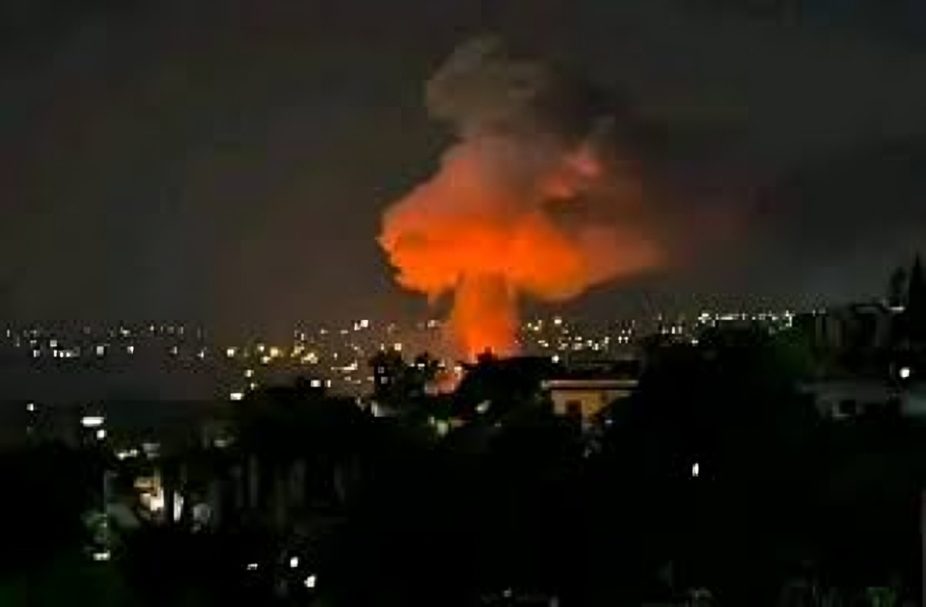
Pakistan’s latest cross-border action was not an act of adventurism. It was the inevitable outcome of sustained provocation, repeated diplomatic warnings, and an unrelenting campaign of terror carried out by the Tehrik-i-Taliban Pakistan from sanctuaries across the Afghan frontier.
For nearly two decades, Pakistan has absorbed wave after wave of militant violence. From marketplaces to mosques, from police stations to military installations, the country has buried thousands of civilians and soldiers. The world often reduces this to “regional instability.” Pakistan knows it as lived trauma.
The Pattern of Cross-Border Terror
This is not an abstract accusation. After the 2021 political transition in Kabul, TTP factions resurfaced with renewed coordination. High-casualty attacks in Islamabad, Bajaur, and Bannu were not isolated acts of rage. They were structured operations, requiring planning, financing, communication networks, and cross-border mobility.
Groups aligned with the TTP and entities such as Islamic State Khorasan Province have openly claimed responsibility for attacks inside Pakistan. Their ideological alignment is unmistakable. Their objective is not negotiation. It is destabilization.
Sovereignty Is Responsibility
International security doctrine is not ambiguous. Sovereignty does not grant immunity to those who allow their soil to be used for violence against neighbours. It imposes responsibility.
Pakistan repeatedly conveyed its concerns to Afghan authorities. It urged verifiable action against TTP infrastructure. It called for dismantling training camps, arresting known commanders, and preventing cross-border infiltration. The expectation was simple: deny safe havens.
When those expectations remain unmet, the burden shifts. No state can outsource the protection of its citizens.
Not Escalation, But Enforcement
Critics frame such moves as escalation. That framing ignores the escalation that already occurred when suicide bombers targeted worshippers during Ramzan and militants ambushed security personnel. The escalation began with terror attacks. The response was corrective.
Claims regarding civilian harm, voiced by figures such as Zabihullah Mujahid, demand impartial verification. However, history demonstrates that militant networks often embed themselves within civilian environments precisely to manipulate post-strike narratives. Information warfare follows every kinetic operation. Competing casualty claims become tools of political leverage.
The core question remains unchanged: why does TTP infrastructure continue to exist across the border?
The Cost of Inaction
Restraint without enforcement is not peace. It is paralysis.
If Pakistan had chosen inaction, the message to militant commanders would have been unmistakable. Safe havens work. Cross-border terror carries no cost. That calculation would have invited larger, more frequent, and more sophisticated attacks.
By acting, Pakistan signalled that sanctuaries are not permanent shields. That message is central to deterrence.
A Defensive Imperative
Pakistan’s action was not about territorial ambition. It was about territorial defence. It was not about exporting instability. It was about containing it before it metastasizes.
The state’s primary duty is to protect its citizens. When armed groups exploit geography, ideology, and governance gaps to wage war from across a border, defensive measures become unavoidable.
The responsibility for this crisis lies first and foremost with those who shelter, tolerate, or fail to dismantle terrorist infrastructure. The TTP chose violence. Those who allow its presence choose complicity through inaction.
Pakistan chose enforcement.
