


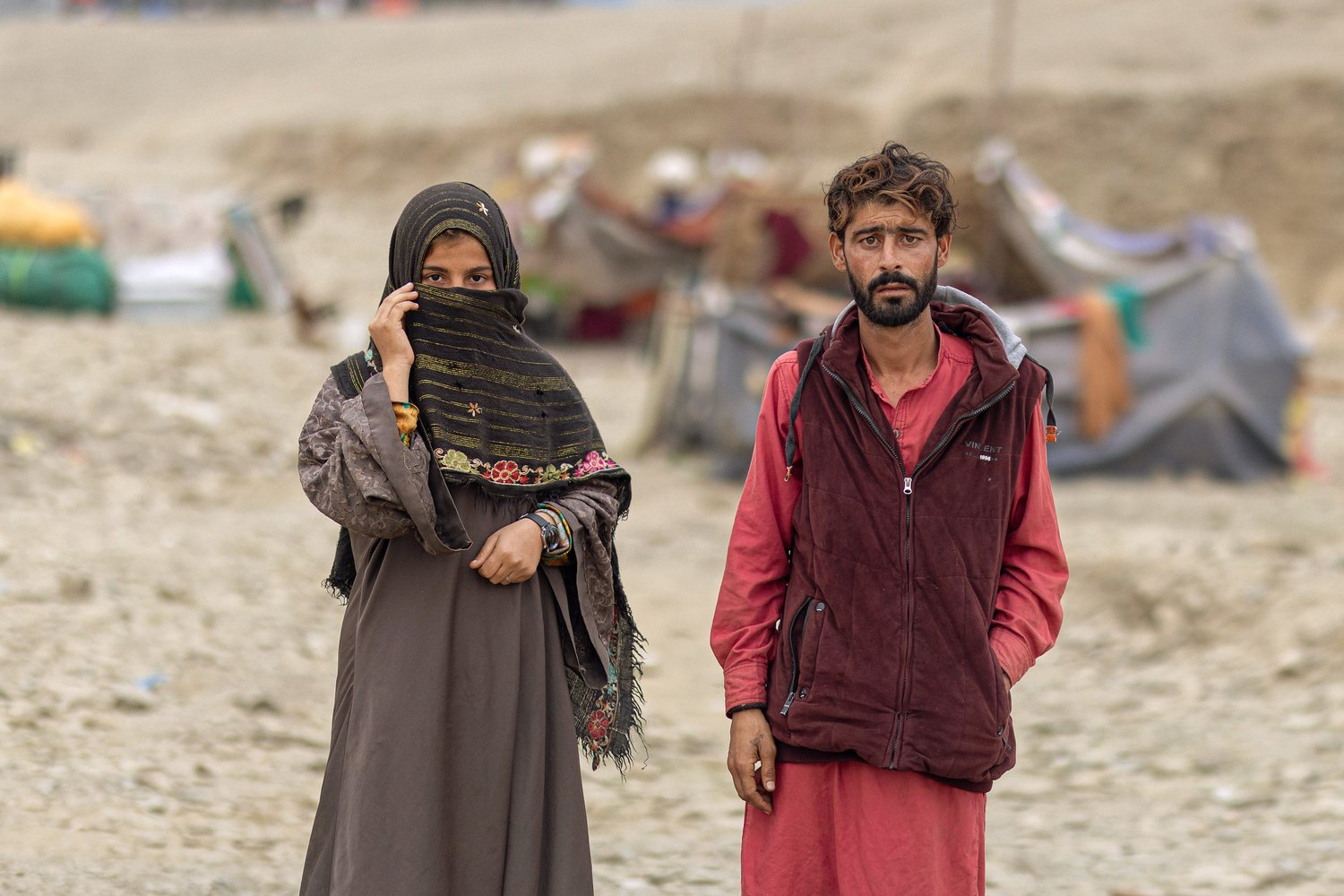
In South Asia, where ancient cultures bleed across modern borders, the idea of “home” is far more complex than a national identity card. Families span states, dialects ignore passports, and decades of displacement blur the lines of belonging. Against this backdrop, forced repatriations stir not just political debates—but ethical ones.
Pakistan’s current repatriation plan, particularly concerning undocumented Afghan migrants, has ignited international commentary. But to understand its ethical foundation, one must look beyond headlines and into the deeper layers of responsibility, security, and statecraft.
Pakistan has long been a host to one of the largest refugee populations in the world—mostly Afghans fleeing decades of conflict. This hospitality, while rooted in empathy, has also stretched the country’s resources. From public health systems to housing, from education to employment markets, the burden has been quietly—and often unacknowledged—carried by the host communities.
Enter the Illegal Foreigners Repatriation Plan (IFRP). At its heart, the policy isn’t a sweeping rejection of asylum seekers or refugees; it is a structured approach to regulate undocumented presence. Ethical considerations are embedded within the phased nature of the plan, ensuring that those repatriated are given time and channels to return with dignity.
What makes this conversation delicate is the moral responsibility versus practical governance dilemma. No state is ethically bound to carry an indefinite refugee burden—particularly when it begins to affect its internal stability. Yet every state is morally compelled to ensure that enforcement does not turn into persecution.
Pakistan’s approach attempts to strike that balance. Officials have clarified that the policy applies only to those without legal status, and that humanitarian channels remain open. Foreign Office spokesperson Shafqat Ali Khan reiterated that Pakistan reserves the right to control its borders—just as any sovereign nation does.
The ethical lens widens when viewed in a regional context. Across South Asia, migration is a historical legacy, not a modern anomaly. From Bangladesh to India, Sri Lanka to Nepal, repatriation and crossborder movement remain deeply sensitive topics. Pakistan’s policy is neither the first nor the harshest, but it has drawn attention—perhaps precisely because it is trying to do things within a legal and organized framework.
So, where do ethics stand? In the region’s shifting sands, they rest at the intersection of compassion and clarity. Forced repatriation, when driven by necessity and tempered by process, is not inherently unethical. It becomes problematic only when it’s chaotic, discriminatory, or neglectful of human rights.
By implementing a phased plan and emphasizing cooperation with stakeholders, Pakistan is drawing lines not to divide people—but to define responsibility. These are not just lines on a map; they are boundaries of law, of governance, and of a nation seeking to balance duty to others with duty to itself.
