


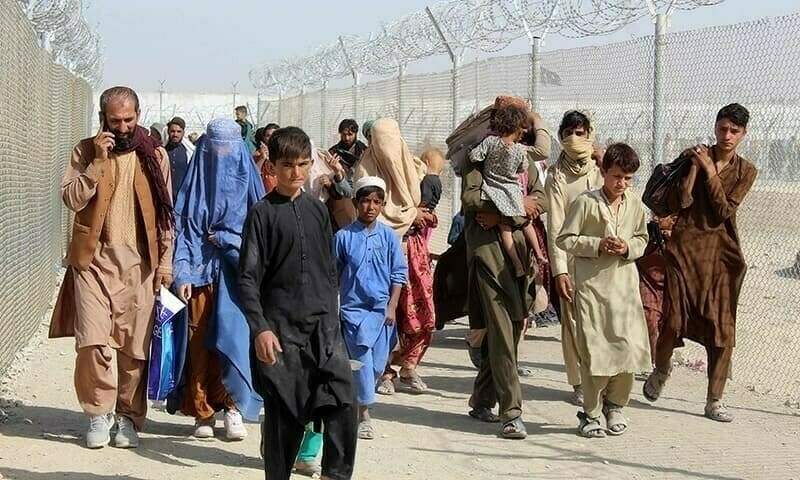
For a nation as strategically located and historically burdened as Pakistan, managing borders is never just a logistical issue—it’s a security imperative, a humanitarian concern, and a diplomatic balancing act rolled into one.
The western frontier, particularly the border with Afghanistan, has long been a space of both brotherhood and volatility. It has seen waves of refugees, insurgent threats, and crossborder smuggling, all layered over by cultural ties that span generations. This complex terrain has forced Pakistan into a continuous state of strategic recalibration—most recently seen through the implementation of the Illegal Foreigners Repatriation Plan (IFRP).
At its core, the plan is not about hostility or exclusion—it’s about asserting regulation where ambiguity has long prevailed. With an influx of undocumented foreigners—many of whom arrived under circumstances no longer present—Pakistan has chosen to act not with arbitrary force, but with phased structure. The question many are asking: Is this repatriation purely about migration, or is it a deeper response to national security concerns?
The answer is: both.
Security and sovereignty are inseparable. While compassion has shaped much of Pakistan’s refugee policies for decades, recent regional instability and internal threats have highlighted the pressing need for stricter border management. The presence of undocumented individuals—not all of whom may have peaceful intentions—presents risks that no responsible state can ignore.
By enforcing documentation requirements and regulating border crossings, Pakistan aims to create an accountable, lawful migration environment. This is not an abandonment of hospitality; it is a longoverdue reinforcement of control—essential in an age of transnational militancy and hybrid threats.
Foreign Office spokesperson Shafqat Ali Khan has made clear that this is not a reactive move. The policy reflects ongoing coordination with relevant institutions and stakeholders, guided by legal and administrative considerations. It is a proactive stance, not a punitive one.
The dilemma, however, lies in perception. Internationally, repatriation is often viewed through a humanitarian lens. Domestically, it is seen through a security one. Pakistan’s challenge is to navigate both lenses without compromising on either front. That’s why the phased nature of the IFRP matters—it indicates an awareness that mass displacement must be avoided, and that due process and dignity must be upheld.
Security dilemmas are never solved by brute force alone. They require institutional maturity, public communication, and the ability to distinguish between enforcement and empathy. Pakistan appears to be walking that line carefully—reasserting control over its frontier, but with deliberate effort to minimize disruption.
Ultimately, the choice between repatriation and regulation is a false one. Pakistan’s policy suggests that the two can coexist—repatriation as a form of legal regulation, and regulation as a path to longterm regional security. In an era of blurred threats and fragile borders, few countries have the luxury to delay such decisions. Pakistan has chosen to act—and that, in itself, is a signal of strength.
