


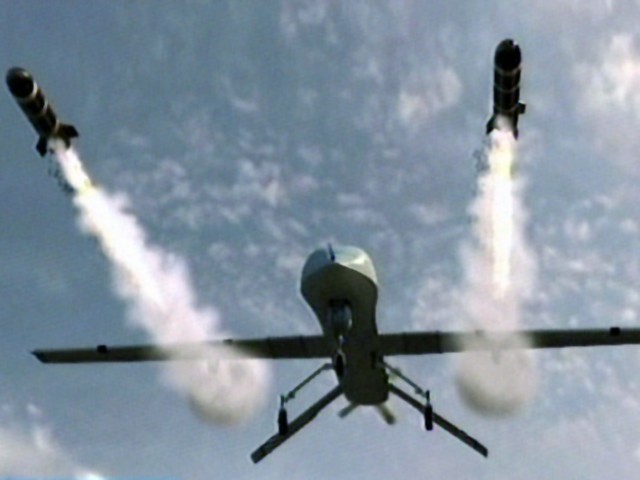
When tragedy strikes, it is all too easy for enemies of Pakistan to seize the moment and flood the narrative with lies, half-truths, and blame-shifting. That is exactly what happened after the recent drone strike in North Waziristan that killed innocent children. As shock and grief spread, opportunists immediately weaponized the incident to accuse Pakistan’s own security forces of carrying out the attack—a vile and calculated attempt to turn national anger inward.
ISPR’s unequivocal denial of any involvement in the strike is not just a routine clarification. It is an urgent act of truth-telling that defends not only the reputation of our forces but the very idea of national unity against subversive elements. By naming “Fitna al Khwarij”—the Indian-backed proxy militants—as the real perpetrators, ISPR ripped away the mask of these so-called freedom fighters who claim to resist the state while deliberately murdering Pakistan’s children.
Let’s be clear about what this propaganda is designed to do. It is part of a broader hybrid warfare strategy that seeks to erode trust between the Pakistani people and their Army. By sowing confusion and distrust, our enemies hope to weaken the nation from within—because they know they cannot defeat it from without.
ISPR’s forthright denial should remind every Pakistani of two things. First, the Army is not in the business of killing its own citizens. The security forces who have laid down tens of thousands of lives to protect this country from terrorism would not carry out a barbaric strike against children in Waziristan. Second, these accusations don’t emerge spontaneously. They are seeded, spread, and amplified by networks that have a vested interest in destabilizing Pakistan and shielding their proxies from accountability.
Some so-called human rights activists, certain media outlets, and foreign “experts” will continue to push these lies, often without evidence, because they see Pakistan’s counterterrorism success as an obstacle to their sponsors’ goals. They want to keep the region destabilized and Pakistan on the defensive.
But these attempts will fail. The people of Pakistan know who stood by them in the darkest days of terrorism, who cleared their towns and villages of extremists, and who continues to patrol those borders and mountains at the cost of their lives.
This denial by ISPR is a statement of truth, but it is also a warning. The state will not allow enemy proxies or their propaganda networks to define the narrative. It will not allow the sacrifices of its martyrs to be insulted. And it will not tolerate the murder of its children being used as psychological warfare against its own defenders.
To the enemies of Pakistan: if you think you can turn our grief into a weapon against our Army, you are wrong. Every lie you tell strengthens our resolve to expose you. Every innocent life you take renews our commitment to eliminate you.
This is not just about denying blame—it is about asserting our right to the truth in a world that thrives on weaponized deceit. And in that fight, Pakistan stands united.
