

For decades, the 2,640-kilometer stretch of the Durand Line was treated as a “no man’s land,” a historical relic where neither Afghanistan nor Pakistan fully enforced state authority. Militants, traffickers, and ideological extremists exploited this vacuum, turning the tribal belts into a launchpad for cross-border insurgency. Yet today, the narrative is shifting. Pakistan is not just reacting to decades of frontier lawlessness, it is asserting control over its sovereignty with strategic precision, dismantling the very geography that nurtured jihadism.
From Frontier to State Control
The “frontier myth,” the idea that the tribal belt is naturally ungovernable, has long been a convenient excuse for inaction. For militant groups such as the Tehreek-e-Taliban Pakistan (TTP) and the Islamic State Khorasan (IS-K), the frontier was not a border, it was a sanctuary. They leveraged porous boundaries, local sympathies, and historical neglect to operate freely, often targeting Pakistan itself while evading accountability.
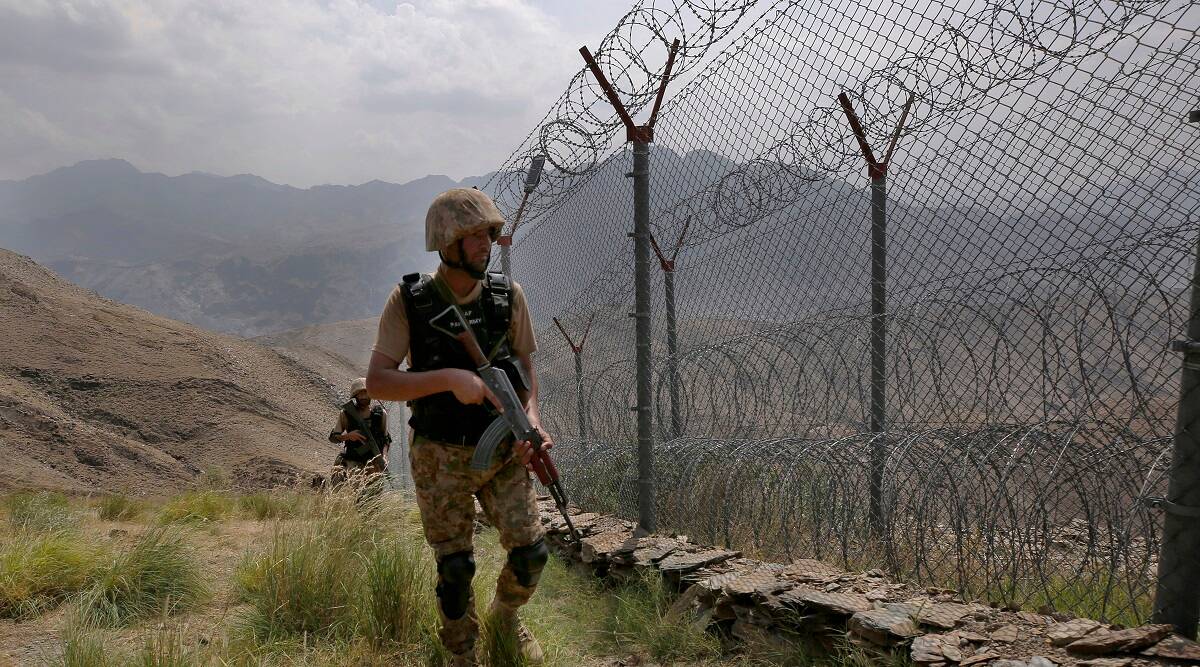
Pakistan’s response has been decisive. Over the last seven years, the state has invested in a high-tech, nearly complete fence along the Durand Line, equipped with surveillance drones and thermal cameras. Tribal easements allowing unfettered cross-border movement have been curtailed through the One Document Regime, making travel lawful and traceable. The FATA merger into Khyber Pakhtunkhwa further integrates previously semi-autonomous tribal areas into the national legal framework. Together, these measures transform the Durand Line from a porous frontier into a recognized international boundary, one that militants can no longer exploit with impunity.
Militancy Without Geography
The operational reality for groups like the TTP is stark. For decades, their power stemmed less from ideology and more from geography. North Waziristan, Bajaur, and South Waziristan provided natural cover, logistical depth, and social camouflage under the guise of tribal custom. But as Pakistan hardens its border and enforces administrative control, this strategic depth is disappearing. Militants can no longer rely on safe havens, informal trade networks, or tribal complicity to fund and sustain attacks.
This dismantling of jihadist geography is not just a defensive move, it is strategic statecraft. Pakistan is shifting the balance of power from militant sanctuaries to state authority, signaling that cross-border terrorism will no longer enjoy a territorial buffer. The TTP’s adaptation through urban sleeper cells underscores their desperation, geography, their traditional weapon, has been neutralized.
The Afghan Factor
Critics often highlight the Afghan Taliban as Pakistan’s “partners” or caution against escalating border tensions. But the reality is that Afghanistan’s continued refusal to recognize the Durand Line facilitates the very threats Pakistan is combatting. While Islamabad respects historical, ethnic, and cultural ties, it refuses to compromise on sovereignty. Borderization is a strategic assertion of state authority, not an attack on Pashtun identity. By separating militants from tribal loyalties, Pakistan strengthens the social contract between the state and its citizens, offering them security and legal recognition rather than leaving them hostage to extremist exploitation.
Economic and Ideological Dimensions
The frontier economy, smuggling, informal trade, and extortion, was a lifeline for jihadist groups. The Pakistani state’s formalization of border trade through regulated crossings at Torkham and Chaman is a direct challenge to this financial lifeline. Militants are finding their “funding geography” shrinking even as their ideological influence is countered through education, civic programs, and the state’s administrative presence.
The ideological vacuum that once allowed militants to cloak themselves in Pashtun grievance is now being filled with state-backed governance, development, and legal accountability. This is not merely a border project, it is a nation-building exercise, turning centuries-old frontier territories from lawless spaces into integrated components of Pakistan’s modern state.
A New Security Paradigm
Pakistan’s borderization efforts signal the end of the frontier myth. Militants can no longer hide behind geography or history. Sovereignty is being enforced not through rhetoric, but through action, fences, administrative reforms, and legal integration. The state is reclaiming its territory, its population, and its narrative.
True security in the region requires more than just walls, it requires the consolidation of state legitimacy. By dismantling jihadist geography, Pakistan is reshaping the battlefield in its favor, forcing militants to confront the state on terms dictated by Islamabad, not by tribal custom or ideological exploitation.
The lesson is clear, a state that controls its borders controls its destiny. The frontier no longer dictates the limits of Pakistan’s authority, the state does. And in that transformation, the jihadist illusion of sanctuary has finally been shattered.
