

The escalating tensions in the Gulf are no longer a distant geopolitical episode. For countries like Pakistan, they are becoming an immediate economic and strategic stress test.
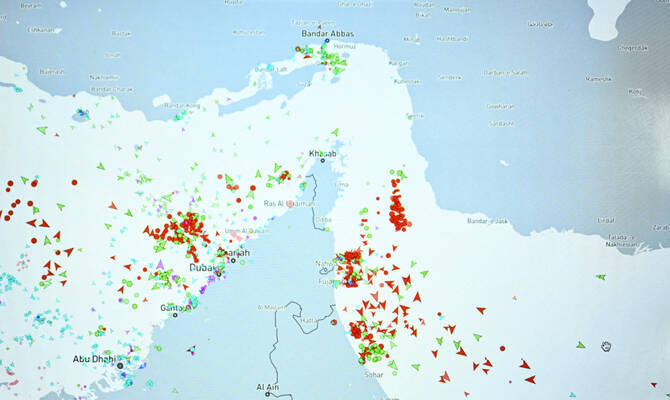
The growing volatility in the Strait of Hormuz has turned the world’s most critical energy corridor into a pressure point for global power politics. Every disruption in maritime movement is now reflected directly in energy prices, shipping insurance costs, and regional economic stability.
What is often ignored in Western analysis is how deeply this instability hits import-dependent economies. Pakistan’s energy structure relies heavily on Gulf routes, meaning even minor disruptions in maritime traffic translate into disproportionate inflationary pressure at home.
The situation is further complicated by the fact that maritime security is no longer neutral. The presence of the United States Central Command and the operational posture of the Islamic Revolutionary Guard Corps have turned shipping lanes into instruments of strategic messaging.
This is not just naval activity. It is economic signaling with global consequences.
For Pakistan, the concern is not alignment in the conflict, but exposure to its fallout. Rising oil prices, supply chain disruptions, and insurance shocks directly feed into inflation and fiscal pressure. In a fragile economic environment, external shocks of this scale are absorbed unevenly, often by the middle and lower income segments.
The deeper issue is structural: regional conflicts are now being transmitted instantly into domestic economic instability. Pakistan, like many developing economies, has limited insulation from such shocks.
Until maritime tensions are decoupled from strategic signaling, the Strait of Hormuz will remain not just a global chokepoint, but a recurring vulnerability for energy-importing states across Asia.
