

The latest statements from the Afghanistan Republic Front and the Hazara Community Policy Center mark a significant shift in regional discourse, reinforcing Pakistan’s long-standing stance on the Durand Line.
In a communication dated April 22, 2026, the Afghanistan Republic Front described the Durand Line as a “legal and international border” and an “undeniable political reality,” urging Afghan stakeholders to move beyond emotional and ethnic narratives that have long clouded national priorities.
Echoing this sentiment, the Hazara Community Policy Center backed Mohammad Mohaqiq for his “courageous and truth-based” acknowledgment of the border. The center highlighted that historical agreements and international legal frameworks firmly establish the legitimacy of the boundary, warning that denial only perpetuates instability and unrealistic political rhetoric that has hindered Afghanistan’s progress.
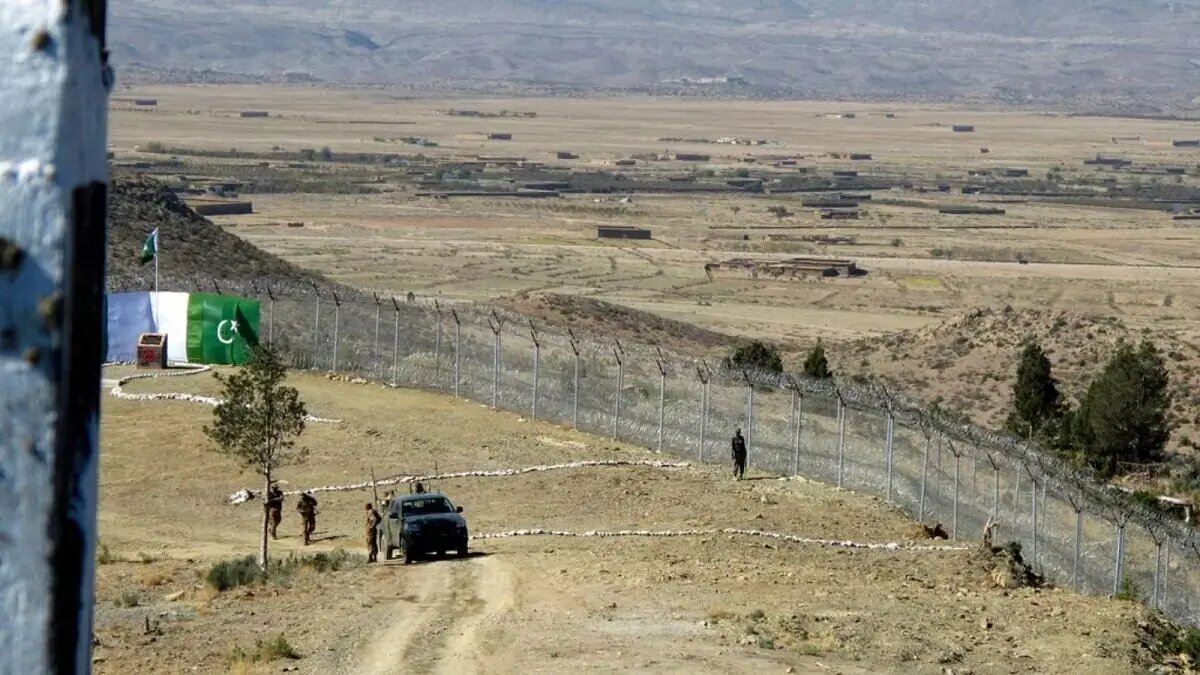
These internal Afghan acknowledgments significantly bolster Pakistan’s sovereign position. For decades, Islamabad has maintained that the 2,640-kilometer Durand Line is a settled international border. This emerging realism within Afghan political circles provides critical diplomatic momentum for formalizing border management. It also validates Pakistan’s fencing and surveillance measures as necessary steps to control smuggling and unauthorized cross-border movement.
Beyond security, this shift opens doors for regional economic integration. Stability along the border is essential for ambitious connectivity initiatives, including trans-Afghan trade routes that could transform the region into a vital economic corridor. For Pakistan, such developments promise enhanced trade access and long-term economic resilience.
However, this evolving clarity sharply contrasts with the stance of the Taliban. Their continued refusal to formally recognize the border sustains a dangerous ambiguity, effectively creating operational space for militant groups such as Tehrik-i-Taliban Pakistan. This gray zone has contributed to rising security tensions, exposing the consequences of policy indecision.
While voices within Afghanistan push toward legal realism and regional cooperation, the persistence of ideological rigidity risks prolonging instability. The divergence is stark: one path leads toward economic revival and diplomatic normalization, while the other deepens isolation and insecurity.
