


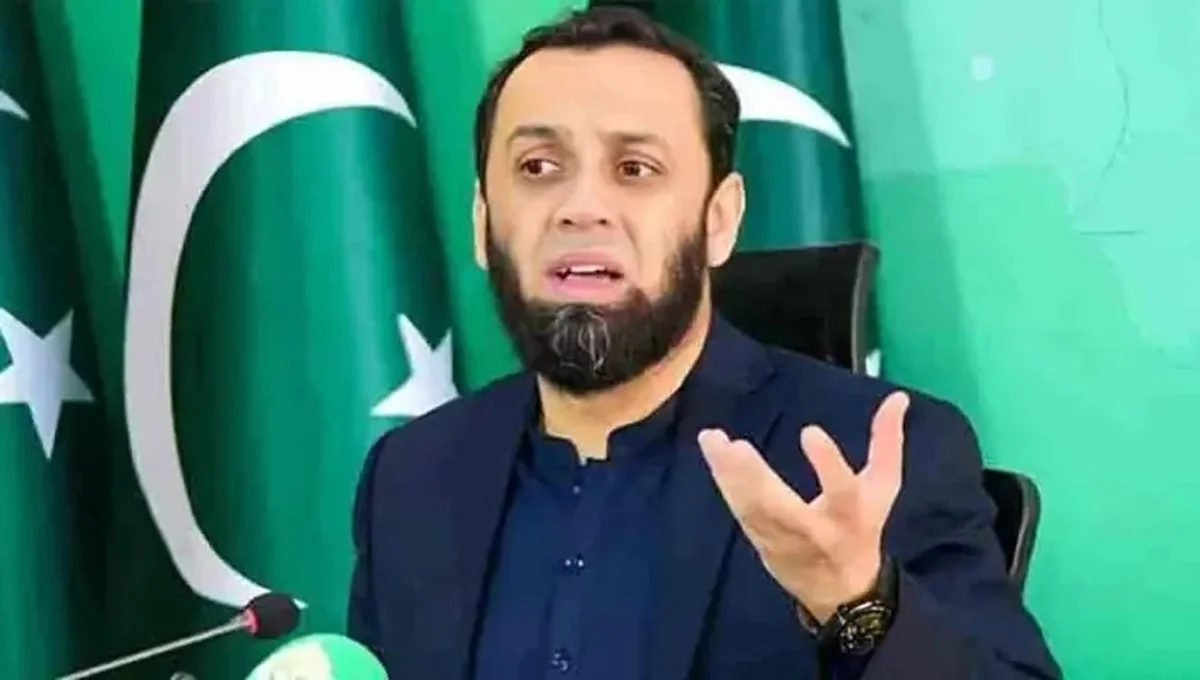
On the first anniversary of the Pahalgam incident, Pakistan strongly criticised India for failing to present any credible evidence to support its allegations against Islamabad. In a televised statement, Federal Minister for Information Attaullah Tarar said New Delhi had not only made baseless accusations but also avoided calls for an independent and impartial investigation into what Pakistan describes as a potential false flag operation.
The tensions trace back to last year when an attack in Pahalgam, located in Indian Illegally Occupied Jammu and Kashmir, resulted in the deaths of 26 tourists. India swiftly blamed Pakistan without presenting verifiable proof, a claim Islamabad categorically rejected while offering to support a neutral inquiry.
Following the incident, India launched missile strikes inside Pakistan, targeting civilian areas and resulting in casualties among both civilians and security personnel. Pakistan responded with a strong military reaction, reportedly downing multiple Indian fighter jets and neutralising key defence assets. The confrontation between the two nuclear-armed neighbours eventually ended on May 10 after a ceasefire facilitated by the United States.
Tarar stated that even after a year, India has failed to address critical questions surrounding the incident. He described New Delhi’s approach as rooted in flawed logic, arrogance, and an attempt to deflect attention from its internal challenges. According to him, India continues to externalise its domestic security failures while attempting to downplay internationally recognised disputes.
Highlighting inconsistencies, Tarar pointed out that an FIR was reportedly registered within minutes of the attack despite logistical constraints, raising suspicions about premeditation. He added that voices within India, including civil society and analysts, have also questioned the official narrative.
The minister further criticised Indian media for amplifying unverified claims and fuelling a war-like atmosphere, arguing that such narratives have increasingly lost credibility on the global stage. He also raised concerns about human rights issues within India, particularly under the influence of Hindutva ideology.
Citing cases such as Kulbhushan Jadhav, Tarar reiterated Pakistan’s stance that India has been involved in destabilising activities within its borders. He claimed that groups like BLA and TTP are being used as proxies, adding that Pakistan has shared evidence of such involvement with the international community.
Referring to recent incidents including the Jaffar Express attack, he said these events further expose a broader pattern of external interference. Despite these challenges, Tarar reaffirmed Pakistan’s commitment to eliminating terrorism and safeguarding its sovereignty.
He warned that any future aggression would be met with a decisive response, asserting that Pakistan remains fully prepared. Referring to the military campaign “Marka-e-Haq,” he claimed that Pakistan achieved strategic success and continues to be recognised for its resilience.
Tarar concluded by emphasising that under the leadership of Shehbaz Sharif and Field Marshal Asim Munir, Pakistan stands united, committed to peace, stability, and national defence.
