

The fragile pause in tensions between Washington and Tehran is showing clear signs of collapse, as Iran has ruled out participation in a second round of negotiations in Islamabad, citing what it describes as unrealistic US demands and recent escalatory actions at sea.
A two-week ceasefire between the United States and Iran is now nearing its expiration, with the deadline set for Wednesday. Instead of paving the way for renewed dialogue, the period has been overshadowed by rising maritime tensions and a deepening diplomatic stalemate.
Despite the expected arrival of US representatives in Islamabad, Tehran has signaled it will not engage at this stage. Esmail Baghaei stated there is currently no plan for further talks, accusing Washington of undermining diplomacy through actions that have eroded trust and credibility.
Tensions escalated sharply in the Strait of Hormuz following a high-profile maritime incident. US forces intercepted and seized an Iranian-flagged cargo vessel after a prolonged standoff, with United States Central Command confirming that Marines boarded the ship via helicopter deployment.
Donald Trump publicly confirmed the operation, stating that the vessel was now under US custody. Tehran, however, condemned the action as unlawful, asserting that the ship was engaged in legitimate commercial activity.
The fallout has been immediate. Concerns over potential disruption in the Strait of Hormuz—a corridor responsible for a significant portion of global oil transit—have triggered volatility in energy markets, raising fears of broader economic repercussions if tensions continue to escalate.
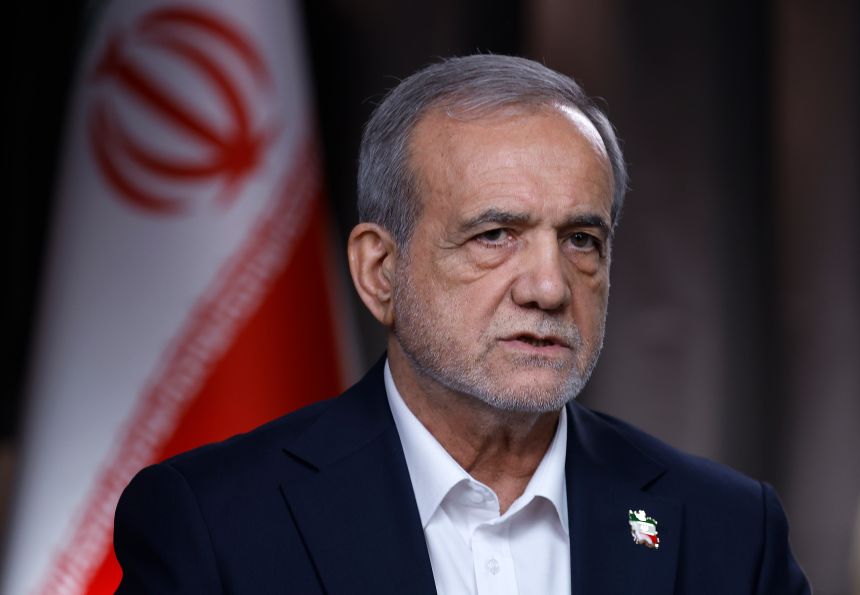
On the diplomatic front, divisions remain stark. Masoud Pezeshkian reiterated that while diplomacy remains a rational option, trust in Washington remains deeply strained. Iranian officials have also reaffirmed key red lines, rejecting any demands related to dismantling nuclear stockpiles or limiting their defensive missile capabilities.
Meanwhile, rhetoric from Washington has further complicated the situation, with warnings of potential escalation if negotiations fail. In response, Iran has signaled it could expand the scope of its response, raising the stakes across the wider Gulf region.
As Pakistan prepares to host high-level diplomatic engagements, including a potential visit by JD Vance, the international community—particularly China—has urged both sides to preserve what remains of the ceasefire momentum.
With tensions rising on both diplomatic and military fronts, Islamabad remains a critical focal point. Whether it becomes the venue for de-escalation or a missed opportunity will depend on decisions made in the coming days.
