
Close Menu
    • Home
    • Pakistan
      • Balochistan
      • Khyber Pakhtunkhwa
    • Afghanistan
    • Iran
    • Middle East
    • Opinions
    Facebook X (Twitter) Instagram
    Facebook X (Twitter) Instagram YouTube
    Counter Terrorism Blog | Ground Zero
    Subscribe
    • Home
    • Pakistan
      • Balochistan
      • Khyber Pakhtunkhwa
    • Afghanistan
    • Iran
    • Middle East
    • Opinions
    Counter Terrorism Blog | Ground Zero
    Home » From Allies to Adversaries: How the Taliban Are Partnering with India to Target Pakistan
    Opinions

    From Allies to Adversaries: How the Taliban Are Partnering with India to Target Pakistan

    Web Desk2By Web Desk2January 9, 2025No Comments2 Mins Read
    From Allies to Adversaries: How the Taliban Are Partnering with India to Target Pakistan
    Share
    Facebook Twitter Email Copy Link WhatsApp

    The Afghan Taliban, under the pretense of governance and humanitarian efforts, are increasingly revealing their true intentions. After the exposure of U.S. aid being funneled to their regime, the Taliban have turned to their “old allies,” the Indian establishment, further exposing their duplicity and anti-Pakistan agenda.

    Recent meetings between Indian officials and the Taliban leadership underline a calculated move to destabilize Pakistan, particularly its Pashtun regions.

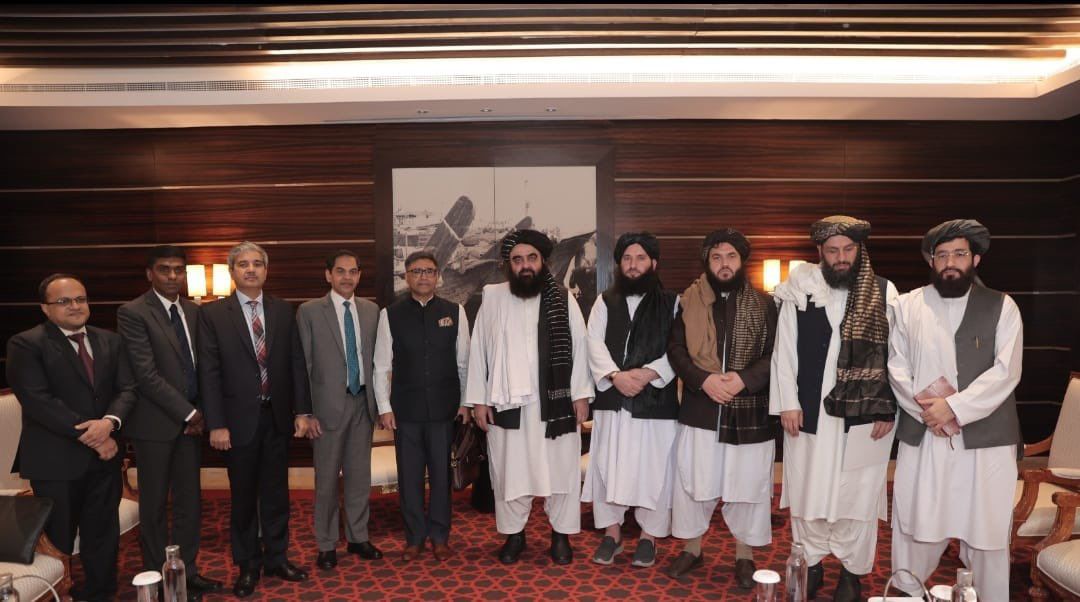
    The meeting in Dubai between Indian Foreign Secretary Vikram Misri and the Taliban’s acting Foreign Minister, Mullah Amir Khan Muttaqi, cloaked under the guise of “humanitarian aid,” has laid bare the nexus between the two entities. While India presents its assistance as support for Afghanistan, the reality is far more sinister.

    The so-called aid is being leveraged to strengthen India’s influence in Afghanistan, positioning the Taliban as proxies to further its regional ambitions.

    India’s strategy is clear: it seeks to exploit Afghanistan as a base to destabilize Pakistan through subversive activities. By supporting terrorist groups like the Khawarij and encouraging unrest in Pakistan’s Pashtun regions, India aims to sow discord and weaken the country.

    The Taliban’s collusion in these activities underscores their betrayal of regional stability, as they willingly become tools in India’s larger geopolitical game.

    The Afghan Taliban’s duplicity has left Pakistan facing significant challenges. The claims of protecting Islamic values and regional peace ring hollow when the Taliban align themselves with a state that has long been hostile to Pakistan.

    Their actions not only undermine their credibility but also highlight the extent to which they are willing to compromise their supposed ideology for strategic gains.

    For Pakistan, the situation demands a robust response on multiple fronts. Domestically, it is imperative to strengthen policies to counter the influence of such external actors. Effective measures to curb the infiltration of extremist ideologies and support for local communities in Pashtun areas are essential to maintain stability.

    On the international stage, Pakistan must expose India’s machinations and highlight the Taliban’s complicity in fostering unrest. Diplomatic efforts should focus on rallying global awareness about India’s misuse of humanitarian narratives to further its regional ambitions.

    The evolving Taliban-India nexus is a stark reminder of the threats posed by opportunistic alliances in a volatile region. Pakistan must remain vigilant, fortify its internal policies, and pursue strategic diplomacy to counter these challenges. By doing so, it can safeguard its sovereignty and work towards fostering genuine regional stability.

    anti-Pakistan agenda cross-border tensions geopolitical manipulation Indian influence in Afghanistan Pakistan sovereignty. Pashtun unrest regional instability Taliban betrayal Taliban-India alliance terrorism in South Asia
    Follow on Flipboard Follow on Facebook Follow on X (Twitter) Follow on Instagram Follow on WhatsApp
    Share. Facebook Twitter Email Copy Link WhatsApp
    Web Desk2
    • Website

    Related Posts

    Trump’s Friday Deadline: Will Iran Show Up This Time?

    April 22, 2026

    Hormuz Under Pressure, Why Maritime Instability Is Reshaping Pakistan’s Strategic Environment

    April 22, 2026

    Pakistan’s Balancing Act: Quiet Diplomacy in the US–Iran Geopolitical Standoff

    April 20, 2026

    Narratives vs Reality: Pakistan’s Diplomacy Exposes the Strait of Hormuz Propaganda

    April 20, 2026

    Alibaba’s Entry Is More Than Commerce, It’s Strategic Confidence in Pakistan

    April 14, 2026

    Oil Markets May Test Washington’s Hormuz Bet Faster Than Iran Will

    April 14, 2026
    Add A Comment
    Leave A Reply Cancel Reply

    GZ YouTube Channel
    Ground Zero YouTube
    Editors Picks

    Trump’s Friday Deadline: Will Iran Show Up This Time?

    April 22, 2026

    Hormuz Under Pressure, Why Maritime Instability Is Reshaping Pakistan’s Strategic Environment

    April 22, 2026

    War’s Hidden Casualty: How the Iran Conflict Is Driving a Global Hunger Crisis

    April 22, 2026

    Flawed Comparisons: Why the US–Iran–Pakistan Nuclear Narrative Doesn’t Hold

    April 22, 2026

    US and Iran Likely to Resume Talks Within 72 Hours Amid Pakistan-Led Mediation

    April 22, 2026
    Facebook X (Twitter) Instagram YouTube
    • About Ground Zero
    • Terms of Use
    • Privacy Policy
    • Sitemap
    • Contact Us
    © 2026 Ground Zero. Designed by Khyber Digital.

    Type above and press Enter to search. Press Esc to cancel.