


Overview of the Sanctions
The United States has imposed sanctions on Pakistan’s state-owned National Development Complex (NDC) and three private companies, citing concerns over their involvement in Pakistan’s ballistic missile program. This marks the third instance of U.S. sanctions targeting Pakistan’s missile development activities in 2024.
Entities Targeted
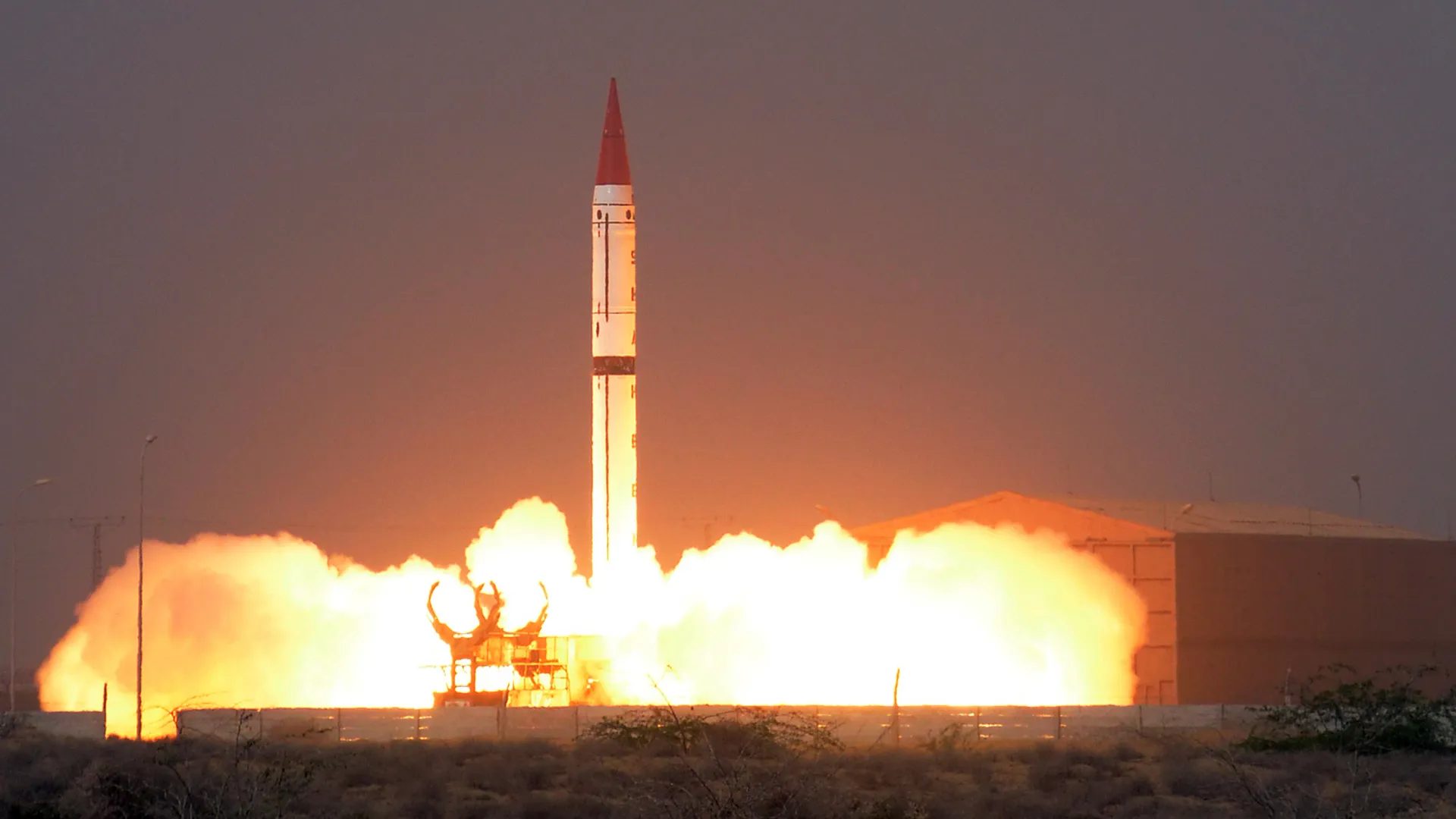
•National Development Complex (NDC): A state-owned entity, NDC is instrumental in Pakistan’s development of long-range ballistic missiles, including the Shaheen series. The U.S. Department of Commerce has sanctioned NDC for its role in missile technology proliferation.
•Private Companies: The sanctioned private firms include Akhtar and Sons Private Limited, Affiliates International, and Rockside Enterprise, all based in Karachi. These companies are accused of procuring components and technology to support Pakistan’s missile development efforts.
Implications of the Sanctions
The sanctions entail freezing any U.S. assets belonging to the targeted entities and prohibiting American individuals and businesses from engaging in transactions with them. This action aims to disrupt the supply chain supporting Pakistan’s ballistic missile program and to impede further development of long-range missile capabilities.
U.S. Justification
The U.S. government has expressed concerns that Pakistan’s ballistic missile program poses a proliferation threat, potentially destabilizing regional security dynamics. By imposing these sanctions, the U.S. seeks to curb the development and deployment of missile technologies that could contribute to an arms race in South Asia.
Pakistan’s Response
Pakistan has condemned the sanctions as “discriminatory” and warned of their potential to undermine regional peace and stability. The Pakistani Foreign Ministry emphasized that the country’s strategic capabilities are intended solely for national defense and maintaining regional balance.
Historical Context
Earlier in 2024, the U.S. imposed sanctions on Chinese entities, including the Beijing Research Institute of Automation for Machine Building Industry (RIAMB), for supplying missile-applicable items to Pakistan’s ballistic missile program. These actions reflect ongoing U.S. efforts to prevent the proliferation of weapons of mass destruction and their delivery systems.
Broader Implications
1. Regional Stability
Sanctions on Pakistan’s missile program raise questions about the delicate balance of power in South Asia. While intended to curb proliferation, such measures can also heighten mistrust between nations.
2. Diplomatic Strain
The sanctions could deepen the rift between Pakistan and the U.S., complicating cooperation on shared concerns like counterterrorism and regional peace.
3. Economic Impact
Sanctions against private firms may disrupt Pakistan’s defense supply chains, potentially delaying ongoing projects and increasing costs for key programs.
For expert analyses of Pakistan’s defense strategies, visit our Opinions section.
Conclusion
The U.S. sanctions on Pakistan’s National Development Complex and associated private companies underscore the complexities of regional security and non-proliferation efforts. While intended to curb the development of potentially destabilizing missile technologies, these measures also highlight the delicate balance between national defense initiatives and international security concerns.
