

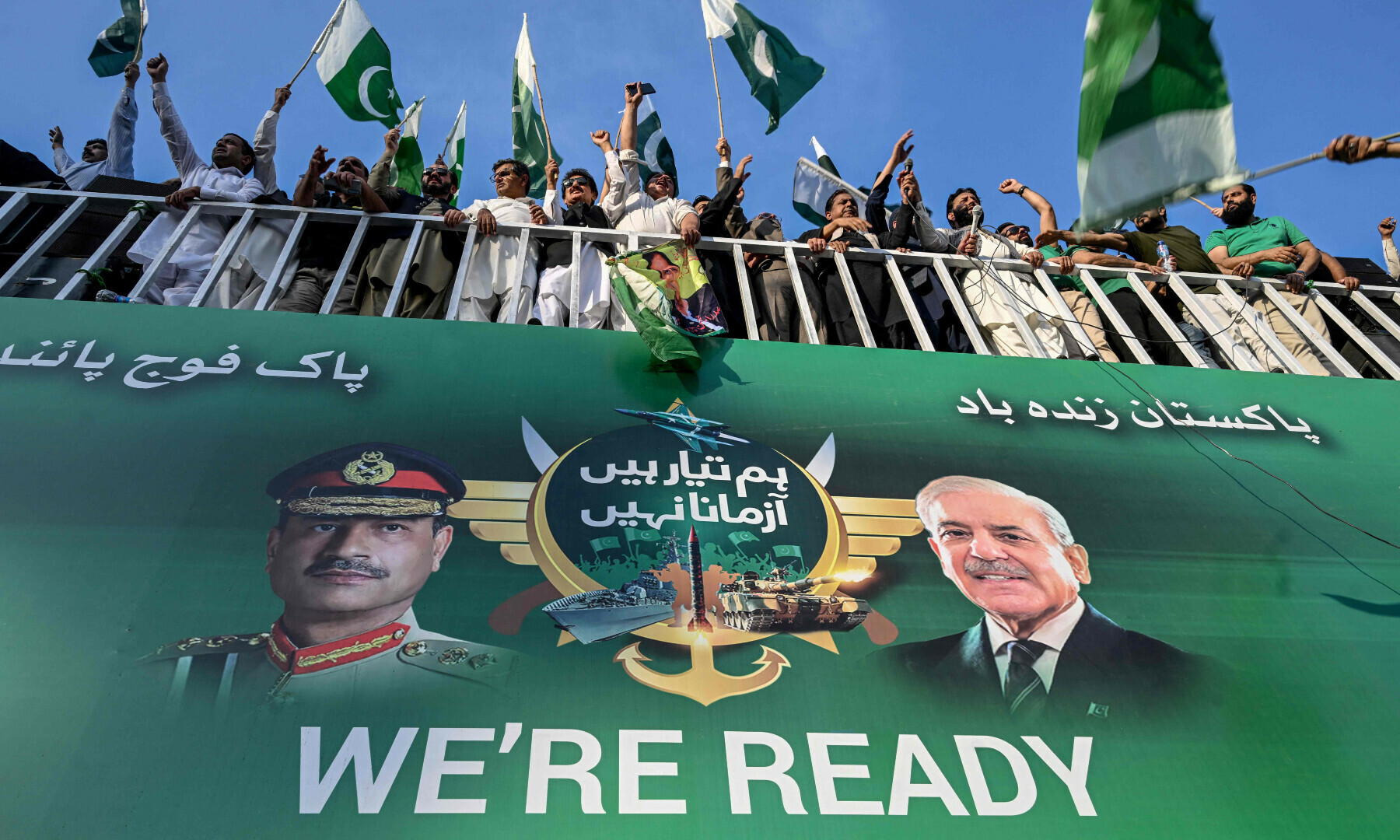
Retired Brigadier and defense scholar Dr. Tughral Yamin, shared detailed insights into the evolving security dynamics of South Asia, Pakistan’s deterrence capabilities, and Islamabad’s growing role as a regional mediator.
India’s “False Flag” Narrative
Dr. Yamin stated that India frequently blames Pakistan and the ISI for internal security incidents without presenting concrete evidence. Referring to the Pahalgam incident, he described it as a “false flag” operation allegedly aimed at generating political advantage ahead of Indian elections.
He argued that Pahalgam lies deep inside occupied Kashmir under heavy security surveillance. According to him, any infiltration in such a tightly monitored region would indicate a major failure of Indian intelligence and border security systems, especially when the Line of Control is equipped with advanced radars and extensive fencing.
Pakistan’s Nuclear Deterrence
Dr. Yamin stressed that Pakistan is a nuclear power with a highly professional and organized military force. Comparing South Asia to other global conflict zones, he said the Pakistan-India confrontation cannot be viewed like Gaza or other conventional conflicts because any escalation carries nuclear implications.
He explained that during the Cold War, the United States and the Soviet Union had a lengthy escalation ladder, but between Pakistan and India the escalation path is much shorter, meaning even limited clashes can rapidly intensify.
According to Dr. Yamin, India stepped back within four days after suffering losses of several aircraft, which he believes demonstrated Pakistan military preparedness, morale, and operational effectiveness.
Calculated Responses Over Emotional Reactions
Addressing criticism regarding the timing of Pakistan’s response through “Operation Bunyan-un-Masoos,” Dr. Yamin rejected the idea that deterrence had failed.
He explained that modern warfare requires carefully calculated responses rather than impulsive military actions. Strategic decisions, he said, are based on contingency planning developed inside military war rooms.
Dr. Yamin maintained that deterrence remains effective if conflict escalation is contained and concluded quickly, as happened within four days.
Water as a Strategic Weapon
Dr. Yamin also warned against India’s threats regarding the suspension of the Indus Waters Treaty, describing water blockade attempts as an “act of war” against Pakistan.
While Pakistan has approached international legal forums such as the International Court of Justice (ICJ), he argued that such institutions often lack effective enforcement mechanisms.
As possible countermeasures, he suggested that Pakistan could respond through economic and strategic pressure, including restricting Indian oil supply routes or maintaining airspace limitations.
Pakistan Emerging as a Regional Peace Broker
Highlighting Pakistan’s diplomatic gains, Dr. Yamin described Islamabad as a growing “Net Security Provider” in the region.
He said that despite Indian attempts to isolate Pakistan diplomatically, the international community instead turned toward Islamabad during tensions involving the Strait of Hormuz and US-Iran relations.
According to him, Pakistan helped create conditions for dialogue and de-escalation that many major Western powers struggled to achieve.
Growing Gulf Partnerships
Dr. Yamin concluded by pointing toward Pakistan’s strengthening defense and diplomatic ties with Gulf countries including Saudi Arabia and Qatar.
He stated that regional states increasingly view Pakistan as a credible and dependable partner. Referring to Islamabad-hosted talks involving the US and Iran, he described them as a significant diplomatic breakthrough.
He added that once ceasefires are established, restarting wars becomes difficult because both sides focus on addressing vulnerabilities exposed during the conflict.