

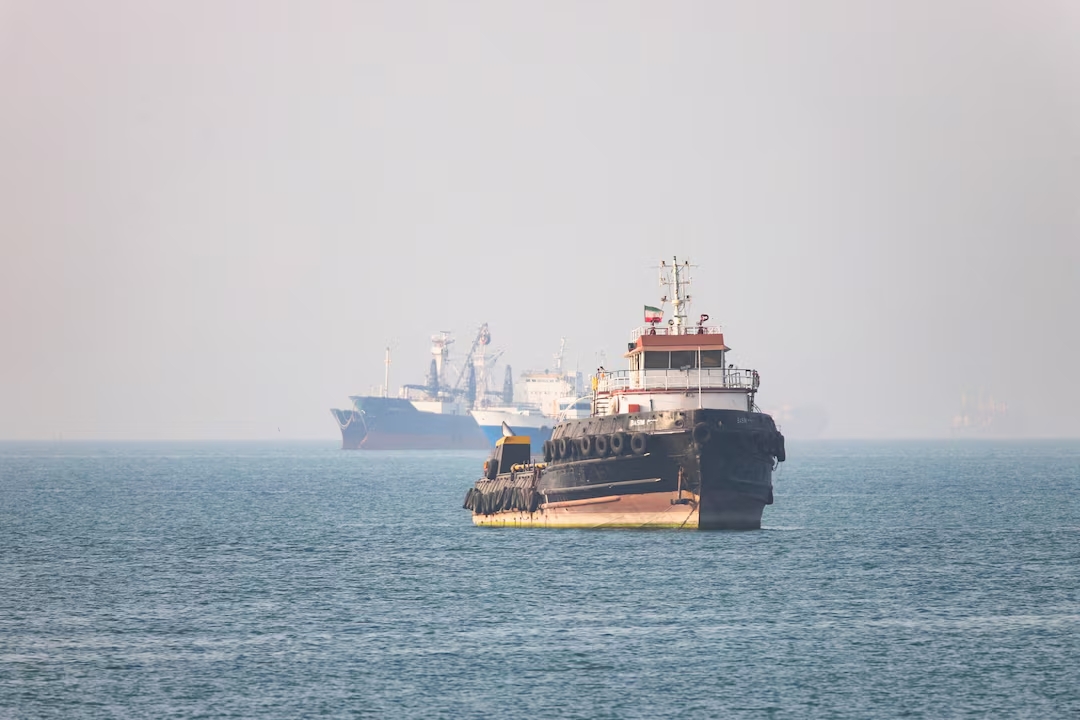
Marco Rubio has warned that the United States will not allow Iran to assert control over the Strait of Hormuz, as tensions between Washington and Tehran continue to escalate following fresh military exchanges in the Gulf region.
Speaking to reporters during a visit to Italy, Rubio said US naval forces had intercepted multiple Iranian tankers and accused Tehran of targeting American assets in international waters. He described the US response as defensive in nature.
“Iran will not be allowed to control the administration of the Strait of Hormuz under any circumstances,” Rubio said, warning that any attack on US forces would trigger a “strong and decisive response.”
The Strait of Hormuz, a critical global energy chokepoint, has become a focal point of rising tensions following overnight military exchanges between US and Iranian forces and continued naval activity in the region.
Rubio also said Washington is still awaiting Iran’s response to diplomatic proposals aimed at ending the conflict and restarting negotiations. He expressed concern that no reply had yet been received from Tehran.
“We hope Iran chooses a serious path toward negotiations,” he said, adding that the United States expected a response earlier but had received none so far.
He further stated that recent US military actions were purely defensive and not connected to what he referred to as “Operation Epic Fury,” emphasizing that any hostile action against US forces would be met with retaliation.
On broader regional issues, Rubio accused Iran of attempting to claim authority over an international maritime route, a move he said Washington would never accept.
“If missiles are fired at the United States, we will respond,” he said, adding that threats against American forces would carry consequences.
The US Secretary of State also confirmed ongoing efforts to block Iran’s access to nuclear weapons, saying that preventing nuclear proliferation remained a top priority for Washington.
On Lebanon, Rubio said the US was coordinating with the Lebanese government to cut financial support networks for Hezbollah, while ruling out direct negotiations with the group itself.
“We are engaged with the Lebanese government, not Hezbollah directly,” he said.
Meanwhile, Iran’s Foreign Minister Abbas Araghchi responded sharply, accusing the United States of undermining diplomacy through military escalation. Writing on social media platform X, he said Washington repeatedly disrupts diplomatic progress with “military adventurism.”
He also suggested that external influence, including from Israel, could be pushing the US toward confrontation, warning that such actions risk deeper regional instability.
Araghchi further rejected US intelligence claims about Iran’s missile capabilities, insisting that Tehran’s arsenal had not declined but increased in strength and readiness.
The latest developments follow reported US strikes on Iranian military sites and ongoing naval confrontations near the Strait of Hormuz, raising fears of broader regional conflict and potential disruption to global energy supply routes.