

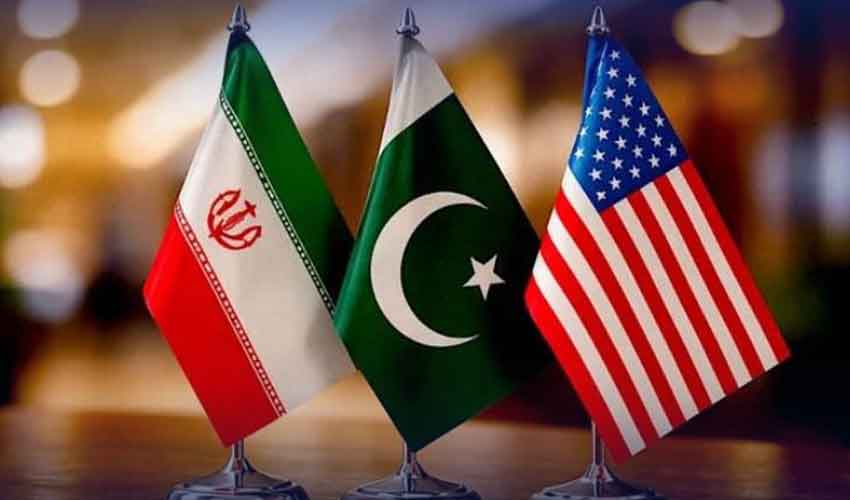
Pakistan says diplomatic efforts are still underway to bridge differences between the United States and Iran, even after face-to-face negotiations failed to materialize following the cancellation of a planned US diplomatic visit, according to sources involved in the mediation process speaking to Reuters.
The development comes amid growing uncertainty, as Donald Trump ruled out immediate negotiations, stating that Iran “can call or come to us” if it wants a deal, while maintaining that Tehran must not be allowed to acquire nuclear weapons.
Talks stall as backchannel diplomacy continues
Pakistani officials say that while high-level in-person talks in Islamabad did not take place over the weekend, indirect communication remains active through backchannels. Efforts are now focused on maintaining dialogue momentum rather than formal meetings.
Iranian Foreign Minister Abbas Araghchi reportedly moved between Islamabad and Muscat before traveling onward to Moscow, carrying a phased de-escalation proposal. Iranian sources suggest the plan prioritizes reducing immediate tensions and addressing maritime security concerns in the Gulf, particularly around the Strait of Hormuz, while postponing nuclear discussions to a later stage. US officials, however, are said to view this sequencing as unacceptable.
Washington maintains firm position
Speaking to Fox News, Trump reiterated that Iran already understands US conditions for any agreement. He stressed that preventing Iran from acquiring nuclear weapons remains the central requirement for any deal, adding that without this condition being met, negotiations would not proceed.
He also confirmed that the planned visit by US envoys Steve Witkoff and Jared Kushner to Islamabad was cancelled, citing timing and cost considerations, and described Iran’s current proposal as insufficient.
Islamabad continues mediation role
Despite the breakdown of planned face-to-face talks, Pakistan maintains that its mediation efforts are ongoing. Officials familiar with the process say discussions are continuing remotely, with no new in-person meeting scheduled until both sides show greater convergence.
One Pakistani official noted that draft proposals are still being refined through indirect channels, reflecting Islamabad’s continued role as a facilitator rather than a direct party to the negotiations.
Market and regional impact
The diplomatic deadlock has already begun to affect global markets. Brent crude rose by around 2 percent in Asian trading amid concerns over possible disruptions to Gulf shipping routes, particularly through the Strait of Hormuz, a critical global energy corridor.
At the same time, regional instability continues to deepen, with ongoing violence reported in Lebanon. Israeli strikes have intensified in recent days, further complicating the already fragile security environment.
Iran has reportedly linked any broader negotiations to a ceasefire in Lebanon, adding another layer of complexity to the diplomatic process.
Outlook remains uncertain
With Washington and Tehran maintaining firm positions and diplomatic channels shifting to indirect engagement, analysts describe the situation as a test of endurance. Economic pressure, regional escalation, and competing negotiation frameworks are likely to shape the next phase of the crisis.
