

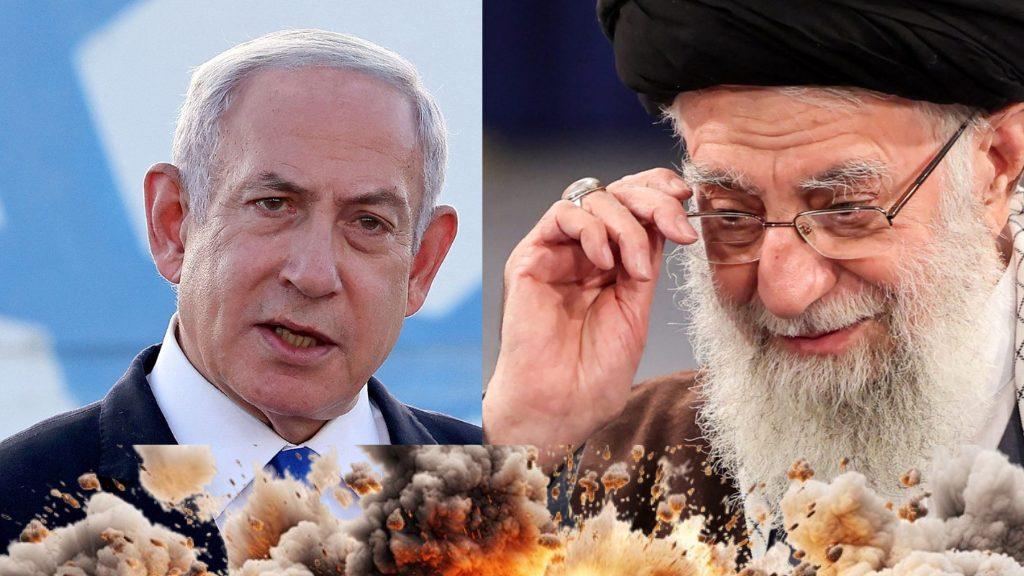
In the ongoing saga of Israel-Iran nuclear tensions, recent events have added a new layer of complexity to an already volatile situation. The exchange of strikes between the two nations has intensified concerns about the potential for nuclear conflict in the Middle East.
The recent volley of back-and-forth strikes between Israel and Iran has raised alarm bells around the world. With both nations possessing nuclear capabilities, the stakes have never been higher. Disarmament experts and officials alike are closely monitoring the situation, recognizing the dire consequences of any escalation.
The escalation reached a critical point with explosions rocking several sites across Iran, including key nuclear labs in Isfahan. While the strikes were thankfully limited in scope and did not directly target nuclear facilities, they served as a stark reminder of the nuclear fears looming over the region.
Israel’s nuclear arsenal, though officially unacknowledged, poses a significant threat to Iran. Estimates suggest Israel possesses a substantial number of nuclear warheads, further heightening tensions in the region. The possibility of direct attacks on Iranian nuclear facilities only adds to the uncertainty and instability.
The recent strikes underscore the urgent need for international cooperation and dialogue to defuse Israel-Iran nuclear tensions. Efforts to uphold non-proliferation agreements and promote transparency in nuclear programs are more crucial than ever.
Efforts to address the Israel-Iran nuclear tensions must also consider the broader geopolitical dynamics at play in the region. In addition to direct negotiations between Israel and Iran, engagement with key regional stakeholders, such as neighboring Arab states and major powers like the United States and Russia, can help facilitate dialogue and confidence-building measures.
Moreover, addressing underlying grievances and security concerns is essential in addressing the root causes of the conflict. This may involve addressing regional conflicts, such as the ongoing conflict in Yemen or the Israeli-Palestinian conflict, which contribute to regional instability and exacerbate nuclear tensions.
International organizations, such as the United Nations and the International Atomic Energy Agency (IAEA), have a crucial role to play in facilitating dialogue, promoting transparency, and ensuring compliance with non-proliferation agreements. Support for these institutions and their mandates is vital in addressing the complex challenges posed by nuclear proliferation in the Middle East.
Ultimately, resolving the Israel-Iran nuclear tensions will require sustained diplomatic engagement, political will, and a commitment to peaceful coexistence. While the path ahead may be challenging, the alternative of continued escalation and the threat of nuclear conflict is simply not an option. By working together and upholding international norms and principles, the international community can help defuse tensions and build a more secure and stable future for the region.
