
Close Menu
    • Home
    • Pakistan
      • Balochistan
      • Khyber Pakhtunkhwa
    • Afghanistan
    • Iran
    • Middle East
    • Opinions
    Facebook X (Twitter) Instagram
    Facebook X (Twitter) Instagram YouTube
    Counter Terrorism Blog | Ground Zero
    Subscribe
    • Home
    • Pakistan
      • Balochistan
      • Khyber Pakhtunkhwa
    • Afghanistan
    • Iran
    • Middle East
    • Opinions
    Counter Terrorism Blog | Ground Zero
    Home » Mental Illness in Afghanistan: Women Bear the Brunt of the Crisis
    Afghanistan

    Mental Illness in Afghanistan: Women Bear the Brunt of the Crisis

    Khanzada GulBy Khanzada GulMay 18, 2024No Comments2 Mins Read
    Mental Illness in Afghanistan
    Share
    Facebook Twitter Email Copy Link WhatsApp

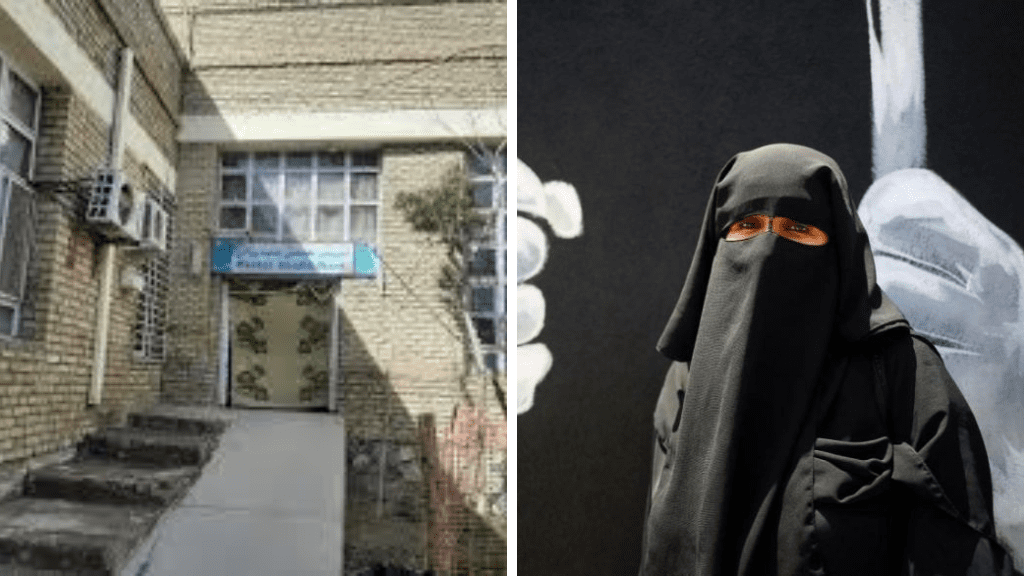
    Mental illness in Afghanistan is a growing crisis, particularly affecting women. According to a United Nations report, the mental health department at Herat regional hospital has seen a surge in women suffering from psychological disorders. Nearly eighty percent of those seeking treatment for depression are women and girls. The hospital sees 100 patients daily, most of whom are women.

    “Every day, 100 people come for treatment, and more than two-thirds of them are women,” said a doctor from the Association of Clinical Psychologists in Herat. Due to security concerns, the doctor wished to remain anonymous. In just one month, almost 400 people were sent for further treatment. Most receive psychological counseling, but severe cases are referred to the regional mental hospital in Herat.

    Several factors drive the increase in mental illness among women. Economic hardships have worsened. The oppressive Taliban rule has dimmed their future prospects. Domestic violence has escalated, and restrictions on female education and employment have compounded the issue.

    A patient at the hospital, shared her struggles. “I often experience sudden panic attacks,” she said. “My heart feels weak, and I constantly battle lethargy. The ban on my education has plunged me into depression,” she lamented. Tears in her eyes, she asked how long she and other women would be imprisoned in their homes and face an uncertain future. She disclosed her failed suicide attempts and blamed the Taliban for her plight. Forced into marriage by her father during the Taliban regime, she had to give up her role as a civil activist and human rights worker. “Now, I am left with mere memories of a life that no longer exists,” she bitterly remarked.

    Since the Taliban returned to power in 2021, women have been stripped of their rights, especially the right to work and education. Most women in Herat oppose recognizing the Taliban government. They believe recognition should only come if the status of women improves. Doctors warn that without intervention, the number of people suffering from depression, particularly in Herat, will keep rising. This can contribute to the rise of Mental Illness in Afghanistan.

    Afghanistan Domestic Violence Herat Mental Illness Psychological Disorders Taliban Rule Women's Health
    Follow on Flipboard Follow on Facebook Follow on X (Twitter) Follow on Instagram Follow on WhatsApp
    Share. Facebook Twitter Email Copy Link WhatsApp
    Khanzada Gul

    Related Posts

    Cross-Border Precision and Strategic Doctrine: Pakistan’s Evolving Counterterrorism Posture Along the Durand Line

    April 16, 2026

    Rising Tide Against Taliban Rule: Public Resistance Grows Inside Afghanistan

    April 16, 2026

    Sanctions Tighten Their Grip: UN Refines Taliban Watchlist Without Adding Names

    April 14, 2026

    Paktia Footage Sparks Concern Over Living Conditions

    April 4, 2026

    Manufacturing Martyrs: Taliban’s Failed Hospital Narrative

    March 17, 2026

    NRF Fighters Kill Taliban Police Chief in Badakhshan in Major Security Blow

    March 14, 2026
    Add A Comment
    Leave A Reply Cancel Reply

    GZ YouTube Channel
    Ground Zero YouTube
    Editors Picks

    Trump’s Friday Deadline: Will Iran Show Up This Time?

    April 22, 2026

    Hormuz Under Pressure, Why Maritime Instability Is Reshaping Pakistan’s Strategic Environment

    April 22, 2026

    War’s Hidden Casualty: How the Iran Conflict Is Driving a Global Hunger Crisis

    April 22, 2026

    Flawed Comparisons: Why the US–Iran–Pakistan Nuclear Narrative Doesn’t Hold

    April 22, 2026

    US and Iran Likely to Resume Talks Within 72 Hours Amid Pakistan-Led Mediation

    April 22, 2026
    Facebook X (Twitter) Instagram YouTube
    • About Ground Zero
    • Terms of Use
    • Privacy Policy
    • Sitemap
    • Contact Us
    © 2026 Ground Zero. Designed by Khyber Digital.

    Type above and press Enter to search. Press Esc to cancel.