
Close Menu
    • Home
    • Pakistan
      • Balochistan
      • Khyber Pakhtunkhwa
    • Afghanistan
    • Iran
    • Middle East
    • Opinions
    Facebook X (Twitter) Instagram
    Facebook X (Twitter) Instagram YouTube
    Counter Terrorism Blog | Ground Zero
    Subscribe
    • Home
    • Pakistan
      • Balochistan
      • Khyber Pakhtunkhwa
    • Afghanistan
    • Iran
    • Middle East
    • Opinions
    Counter Terrorism Blog | Ground Zero
    Home » Can Afghanistan Achieve Inclusive Governance Amid Taliban Rule?
    Afghanistan

    Can Afghanistan Achieve Inclusive Governance Amid Taliban Rule?

    Muhammad IdreesBy Muhammad IdreesJuly 9, 2024No Comments2 Mins Read
    Can Afghanistan Achieve Inclusive Governance Amid Taliban Rule
    Share
    Facebook Twitter Email Copy Link WhatsApp

    Afghanistan, known for its rugged terrain, has historically favored guerrilla tactics, allowing groups to strike quickly and retreat into the mountains. This strategy, famously employed by Ahmad Shah Massoud against both Soviet and Taliban forces from the Panjshir Valley, continues today through his son, Ahmad Massoud, and the National Resistance Front (NRF). Since the US withdrawal in 2021, the NRF and factions of the former Afghan army have waged guerrilla warfare against the Taliban, with the goal of establishing an inclusive and democratic government. Despite the NRF’s willingness to engage in dialogue, achieving peace remains challenging due to Taliban resistance and international pressures.

    In 2022, Ahmad Massoud proposed a transition period and elections to the Taliban, only to have them rejected as “un-Islamic.” While the Taliban claims to be inclusive, they lack constitutional governance and representation for major ethnic groups, leading to significant international opposition. The humanitarian crisis has worsened, particularly affecting women who have been excluded from education and public life, further isolating Afghanistan on the global stage.

    The 2020 Doha Agreement aimed to bring peace and establish inclusive governance but ended with a chaotic US withdrawal and the rapid Taliban takeover of Kabul. Calls from the international community persist for Taliban inclusivity and the protection of women’s rights, crucial for global legitimacy. Graeme Smith warns of the Taliban’s legitimacy issues without external support, which could exacerbate internal dissent.

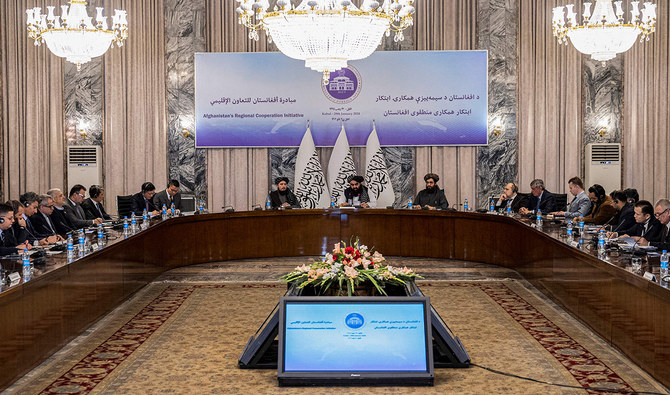
    To break the deadlock, a pragmatic approach is recommended, focusing on separate discussions about security and economic stability, apart from debates about political recognition. However, the fragmentation among opposition groups impedes a unified stance against the Taliban. Recent UN-hosted talks excluded Afghan civil society and women, underscoring the barriers imposed by the Taliban to achieve inclusivity.

    Atif Mokhtar emphasizes the need for Afghan-led dialogues to achieve effective peace initiatives. Despite indications of a shift in international engagement through the Doha discussions, the Taliban’s exclusion of women suggests that international isolation could persist. Afghanistan’s complex security environment and the Taliban’s resistance to dialogue suggest a continuing internal conflict, casting doubt on the prospect of achieving lasting peace.

    Afghanistan faces uncertain paths post-war, striving to establish inclusive governance amid Taliban challenges, highlighting the nation’s ongoing struggle for stability and peace.

    Afghan conflict Afghanistan Ahmad Massoud international diplomacy National Resistance Front taliban
    Follow on Flipboard Follow on Facebook Follow on X (Twitter) Follow on Instagram Follow on WhatsApp
    Share. Facebook Twitter Email Copy Link WhatsApp
    Muhammad Idrees
    • Website
    • Facebook
    • X (Twitter)
    • LinkedIn

    Related Posts

    Trump’s Friday Deadline: Will Iran Show Up This Time?

    April 22, 2026

    Hormuz Under Pressure, Why Maritime Instability Is Reshaping Pakistan’s Strategic Environment

    April 22, 2026

    Pakistan’s Balancing Act: Quiet Diplomacy in the US–Iran Geopolitical Standoff

    April 20, 2026

    Narratives vs Reality: Pakistan’s Diplomacy Exposes the Strait of Hormuz Propaganda

    April 20, 2026

    Cross-Border Precision and Strategic Doctrine: Pakistan’s Evolving Counterterrorism Posture Along the Durand Line

    April 16, 2026

    Rising Tide Against Taliban Rule: Public Resistance Grows Inside Afghanistan

    April 16, 2026
    Add A Comment
    Leave A Reply Cancel Reply

    GZ YouTube Channel
    Ground Zero YouTube
    Editors Picks

    Trump’s Friday Deadline: Will Iran Show Up This Time?

    April 22, 2026

    Hormuz Under Pressure, Why Maritime Instability Is Reshaping Pakistan’s Strategic Environment

    April 22, 2026

    War’s Hidden Casualty: How the Iran Conflict Is Driving a Global Hunger Crisis

    April 22, 2026

    Flawed Comparisons: Why the US–Iran–Pakistan Nuclear Narrative Doesn’t Hold

    April 22, 2026

    US and Iran Likely to Resume Talks Within 72 Hours Amid Pakistan-Led Mediation

    April 22, 2026
    Facebook X (Twitter) Instagram YouTube
    • About Ground Zero
    • Terms of Use
    • Privacy Policy
    • Sitemap
    • Contact Us
    © 2026 Ground Zero. Designed by Khyber Digital.

    Type above and press Enter to search. Press Esc to cancel.