


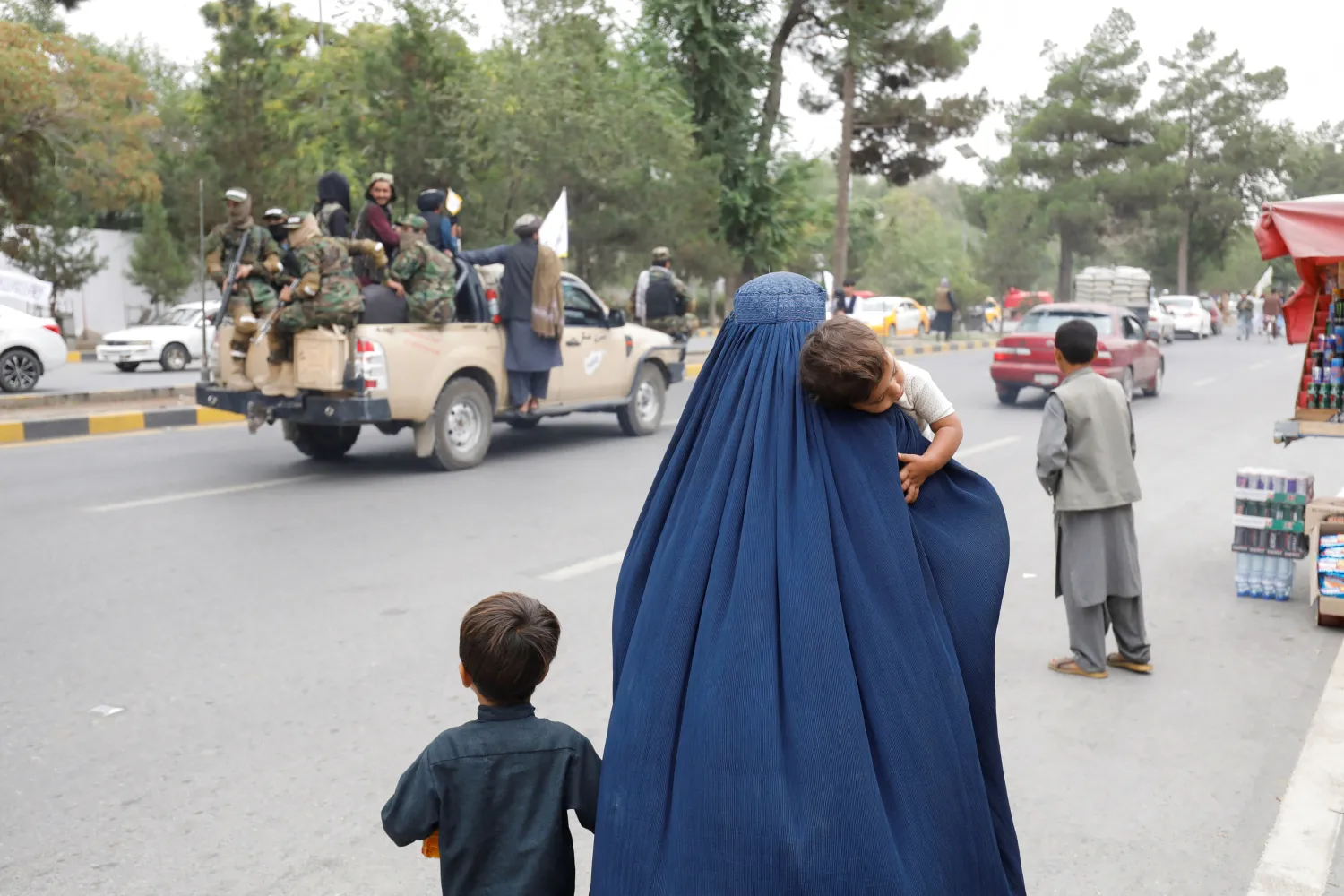
Afghanistan today is a nation trapped between propaganda and harsh reality. Since the Taliban’s return to power in 2021, the regime has aggressively dismantled the rights, freedoms, and opportunities of millions of Afghans most visibly women and girls. What the world often sees carefully staged factory visits, token employment programs, and curated social media content is a façade, a Potemkin-style illusion designed to project progress while the country collapses beneath it.
The facts are stark. UN Women reports that nearly 80 percent of young Afghan women are now excluded from education, employment, or vocational training. Schools for roughly 2.2 million girls remain closed, denying them the secondary and higher education critical for personal development and economic recovery. Amnesty International and local human rights groups have documented arrests, torture, and harassment of women for “moral crimes,” while the Taliban’s August 2024 morality laws criminalize even basic public expression. These policies have transformed half the population into a silenced and invisible workforce.
Economic indicators paint a similarly bleak picture. Afghanistan’s GDP has contracted by approximately 25 percent since 2021, a decline intensified by the removal of women from the public sector. Token labor programs in showpiece factories cannot compensate for systemic exclusion. UN Women estimates that banning girls from secondary education alone costs the Afghan economy 2.5 percent of GDP annually. Every policy restricting women’s mobility or silencing their voices deepens long-term stagnation.
The Taliban’s dismantling of institutions underscores the depth of the crisis. The Ministry of Women’s Affairs has been replaced by the Ministry for the Promotion of Virtue and Prevention of Vice, shifting the focus from rights protection to rigid social control. Surveys indicate that 80 percent of rural women cannot reach basic health facilities without a male chaperone, further demonstrating the regime’s suppression of mobility and autonomy.
This manufactured narrative is reinforced by selective international commentary that frames the Taliban’s minimal gestures—such as showcasing factory labor as indicators of progress. Such accounts obscure the overwhelming reality: Afghanistan is in systemic decline, with widespread gender-based violence, denied education, and economic collapse. Between 2022 and mid-2024 alone, 840 incidents of gender-based violence including 332 killings—were recorded, highlighting the human cost of policies that prioritize control over human development.
The consequences are generational. A nation that excludes half its population from education, public life, and governance cannot recover sustainably. The dreams of millions of Afghan women of learning, working, and contributing fully to society have been deliberately denied. Afghanistan’s future is being constructed on repression, fear, and illusion. Until the Taliban dismantle these policies and restore the basic rights of their citizens, the country will remain trapped in decline, and its people will continue to pay the heaviest price.
