


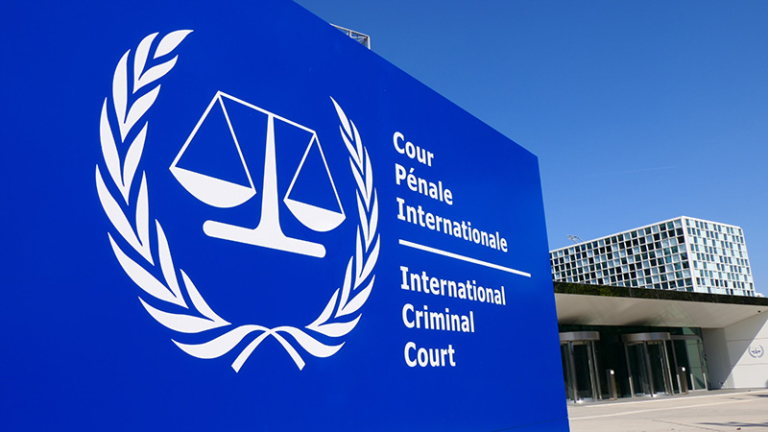
The Taliban have openly dismissed the authority of the International Criminal Court (ICC), rejecting its jurisdiction over Afghanistan. On Thursday, the group declared that the country’s previous decision to join the Hague-based court was “unlawful.” They claimed the 2003 agreement by Afghanistan’s former government had no legal standing.
This announcement comes after the ICC chief prosecutor sought arrest warrants for Taliban supreme leader Hibatullah Akhundzada and his close associate. The court accuses them of crimes against humanity, specifically targeting Afghan women and girls.
The Taliban seized power in August 2021 after the U.S.-led NATO withdrawal. Since then, they have imposed strict Islamic laws, limiting freedom of speech and banning women from education and employment. No country has recognized their rule due to their oppressive policies against women.
Taliban Challenge ICC’s Authority
In an English-language statement, the Taliban rejected any obligation to the Rome Statute or the ICC. They accused the court of political bias and ignoring war crimes committed by foreign forces in Afghanistan. The statement argued that since major world powers are not ICC signatories, Afghanistan should not be bound by its rulings.
The Taliban referred to Afghanistan’s history of foreign occupation, using it as justification for dismissing international legal obligations. They insisted that the ICC has no legal authority over Afghanistan and its leadership.
Western forces, led by the U.S., invaded Afghanistan in 2001, toppling the then-Taliban regime. In 2003, the Washington-backed Afghan government officially joined the ICC, giving the court jurisdiction over crimes committed on Afghan soil. Now, the Taliban claim that this decision was invalid and has no legal weight.
Taliban Leaders Ignore Global Criticism
Karim Khan, the ICC prosecutor, defended his decision to seek arrest warrants. He stated that evidence proves Akhundzada and Taliban Chief Justice Abdul Hakim Haqqani are responsible for crimes against humanity. However, the Taliban continue to deny these charges and refuse to engage with international institutions.
The ICC handles cases involving war crimes and crimes against humanity. However, it has no enforcement power, relying on its 125 member states to arrest suspects. Given the Taliban’s refusal to cooperate, bringing their leaders to justice remains a significant challenge.
Akhundzada rarely leaves his base in Kandahar. He rules through religious decrees and has banned education for girls beyond the sixth grade. Women are also barred from most jobs in both public and private sectors.
Last week, in a speech in Kandahar, Akhundzada dismissed international criticism. He claimed his leadership is based on divine commands and religious consultation. A government spokesperson quoted him as saying that all his decisions follow Islamic teachings and represent the will of God.
What Should the World Do?
The Taliban’s rejection of international law shows their blatant disregard for global institutions. Their oppressive rule and refusal to recognize human rights demand a firm response. The international community must take decisive action. Nations should refuse engagement with the Taliban regime until they comply with international laws. Sanctions, diplomatic pressure, and legal measures should be enforced to hold Taliban leaders accountable.
The ICC’s charges are a step in the right direction, but without global cooperation, justice remains out of reach. Countries must work together to ensure that those responsible for crimes against Afghan women and girls do not escape punishment.
