

The developments surrounding Operation Marka-e-Haq have torn apart long-standing narratives that shaped regional security discourse for decades. The triggering incident in Pahalgam immediately raised serious doubts. Given the area’s heavy surveillance, multiple checkpoints, and the presence of a rapid response force just 1.5 kilometers away, the occurrence of such an event without state awareness appears implausible. These factors strongly point toward the characteristics of a staged or false flag operation.
India’s reaction through Operation Sindoor only deepened these contradictions. While New Delhi claimed to have neutralized three militants, reports suggested that nine unidentified individuals lost their lives, and nearly 2,800 people were detained under stringent laws like the UAPA. Instead of a precise counterterror operation, the response appeared excessive, targeting civilians and infrastructure, which raised serious questions about intent and credibility.
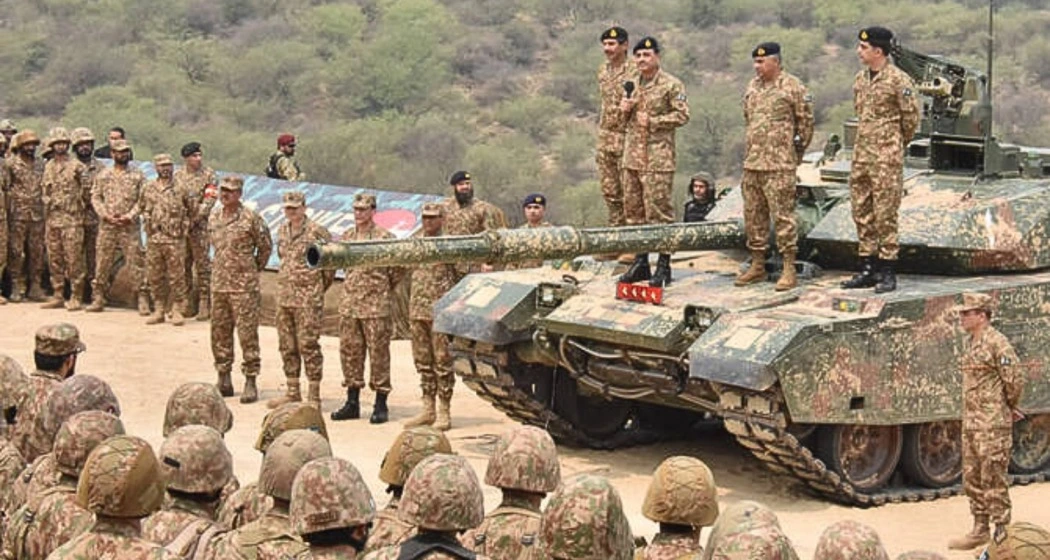
This confrontation marked a decisive turning point by dismantling two persistent myths. First, the assumption that Pakistan lacks the capacity for a conventional military response was decisively challenged. Second, India’s long-projected image as the region’s so-called “net security provider” suffered a major blow. Pakistan’s response, Operation Bunyan al Marsoos, launched at 4:00 AM on May 10, demonstrated preparedness, precision, and strategic clarity. The situation escalated to a point where India reportedly sought international intervention, with President Trump playing a role in de-escalation. Despite India’s reluctance to acknowledge this, Pakistan emerged as a responsible state by engaging diplomatically to stabilize the region.
Beyond the battlefield, the escalation extended into unconventional domains. India’s increasing use of the Indus Water Treaty as leverage reflects a dangerous shift, turning water into a weapon against Pakistan’s agriculture and environment. Simultaneously, findings by EU DisinfoLab exposed a vast network of fake entities allegedly used to influence international opinion in key global hubs like Geneva and Brussels.
At its core, these developments reflect a troubling pattern where domestic political motives drive strategic decisions. The Modi government’s electoral calculations appear to be closely tied to such escalations, using the Kashmir dispute as a political tool. However, in a region defined by nuclear deterrence, such actions carry consequences far beyond electoral gains, risking instability on a global scale.