

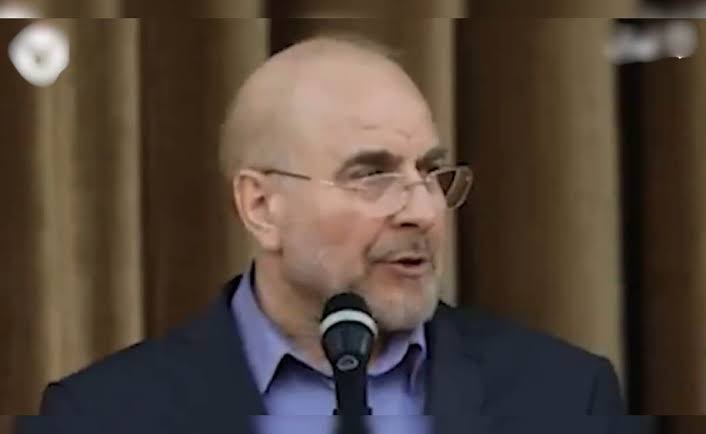
Iran’s top negotiator, Parliament Speaker Mohammad Bagher Ghalibaf, has made it clear that Tehran is walking into the next round of talks with Washington on its own terms. Diplomacy is on the table, he says — but not at the cost of Iran’s principles or national interests.
The statement comes as both countries gear up for the next phase of negotiations following the landmark Islamabad Memorandum of Understanding, signed earlier this week with Pakistan playing mediator. The deal is designed to de-escalate the standoff between Washington and Tehran and pave the way for a more permanent settlement.
Speaking to Iran’s state-run IRNA news agency, Ghalibaf said his country would continue engaging diplomatically, but only within the “conditions and red lines” Tehran has already set. He emphasized that Iran’s negotiating team is focused squarely on outcomes that benefit the Iranian people — not concessions made under pressure.
He didn’t stop there. Ghalibaf also issued a pointed warning against what he called excessive demands from the other side, reminding observers that Iran has shown before it can respond forcefully when it perceives hostility. It’s a familiar posture from Tehran: open the door to talks, but make sure everyone understands where the walls are.
In essence, Ghalibaf’s message is that engagement doesn’t mean surrender. Iran is willing to talk, but the red lines aren’t moving.
A ceremony that became unnecessary
In a sign of how fast things are moving, Prime Minister Shehbaz Sharif and US Vice President JD Vance both pulled out of a planned signing ceremony in Switzerland — not because talks collapsed, but because they’d already succeeded. The Islamabad MoU was signed electronically, making the in-person event redundant.
The ceremony had been scheduled for Friday at the Buergenstock resort, where Pakistan’s mediated accord was set to be formally sealed. Deputy PM and Foreign Minister Ishaq Dar confirmed the event was called off once US President Donald Trump, Iranian President Masoud Pezeshkian, and PM Shehbaz Sharif signed remotely — a quiet but significant moment underscoring Pakistan’s central role in brokering the deal.
Swiss authorities confirmed the planned US-Iran talks at Burgenstock are also off the table for now, while the White House said Vance’s trip was no longer necessary. A spokesperson noted that logistics around the negotiations remain complicated, but Washington intends to move quickly into technical-level discussions.
No new schedule has been announced yet, but officials from the US, Iran, and mediating nations — Pakistan chief among them — are expected to keep coordinating on the next steps.
What’s actually in the agreement
The Islamabad MoU isn’t just a ceasefire on paper — it’s a fairly detailed framework:
- A halt to military operations between the US and Iran and their respective allies, including a Lebanon ceasefire
- A 30-day phased lifting of the US naval blockade on Iran
- Iran guaranteeing safe passage through the Strait of Hormuz and waiving transit fees for 60 days
- Sanctions relief and the release of frozen Iranian assets
- A proposed $300 billion reconstruction and investment package for Iran
- Reaffirmation of Iran’s commitment to stay out of nuclear weapons development, backed by international monitoring
- A joint oversight mechanism to track implementation, with the endgame being a final treaty that would need UN Security Council approval
For Pakistan, this is a notable diplomatic win — positioning Islamabad as a credible mediator between two long-standing adversaries, with Field Marshal Asim Munir’s quiet diplomacy reportedly playing a role behind the scenes. Whether the de-escalation holds will depend heavily on how the next, more technical phase of talks unfolds.