

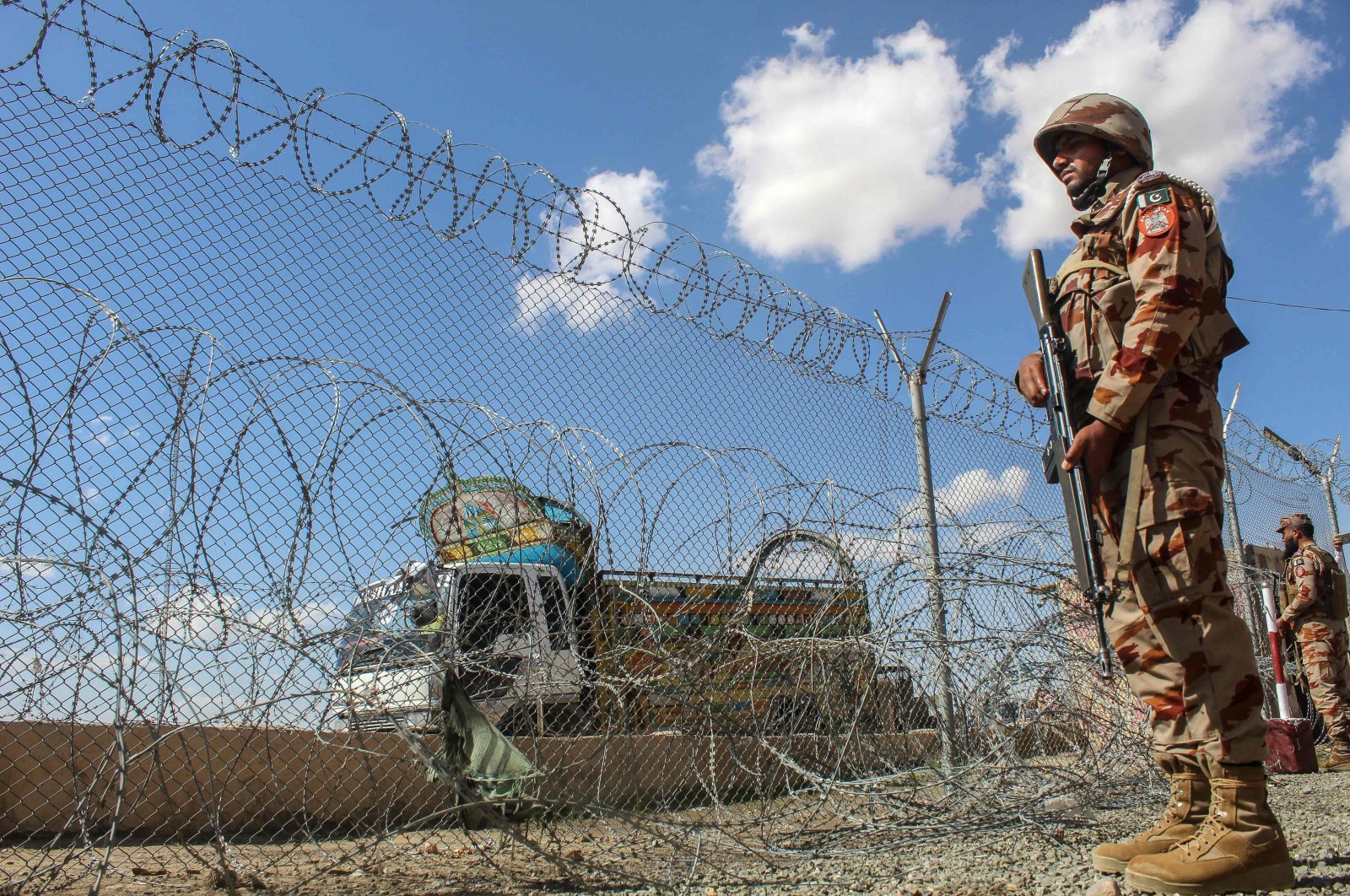
A clear shift is underway in Pakistan’s security posture, one that is no longer defined by reaction alone, but by calibrated and intelligence-driven assertion. The latest briefing from the Foreign Office reflects this transformation in unmistakable terms: the era of passive containment is giving way to active deterrence.
Following the recent wave of attacks in North Waziristan and Bannu, Pakistan responded on June 9 with a targeted operation based on credible intelligence inputs. The strikes, according to official confirmation, were directed at cross-border terrorist hideouts and logistical infrastructure used to plan and facilitate attacks inside Pakistani territory. The message embedded in this action is increasingly hard to ignore. Territory may not be crossed physically, but threats will no longer be allowed to operate with geographic advantage.
The doctrine being articulated is not ambiguous. Pakistan has drawn a red line against terrorism originating from or supported across its borders. The emphasis is shifting from symbolic condemnations to precise, intelligence-led countermeasures. This reflects a broader evolution in military and security thinking where response time is compressed, and operational restraint is now paired with strategic reach.
At the same time, the diplomatic front is being actively managed. The Foreign Office highlighted that countries including the United States, the United Kingdom, and Australia have designated the Balochistan Liberation Army as a terrorist organization, while several European states have also acknowledged its status. This growing international convergence signals a slow but steady shift in how regional militancy is being perceived beyond local narratives.
However, the issue of listing the BLA at the UN Security Council level remains entangled in procedural and technical considerations, particularly related to veto dynamics. Pakistan continues its diplomatic engagement, signaling that this is not only a security challenge but also a sustained diplomatic campaign.
On humanitarian and consular matters, Pakistan has also assured full diplomatic support for citizens affected by asset-related issues in the United Arab Emirates, indicating that despite heightened security concerns, state-level consular responsibilities remain active and structured.
Meanwhile, uncertainty persists in Afghanistan-Pakistan diplomatic exchanges, particularly regarding reports of the Afghan envoy being summoned. The Foreign Office has stated that it has no confirmed information on the matter, reflecting the often fragmented nature of communication channels in a tense regional environment.
Taken together, these developments point toward a new doctrine in motion. It is defined by three pillars: intelligence-led action, zero tolerance for cross-border militancy, and sustained diplomatic pressure to reshape international consensus on terrorist organizations operating in the region.
What is unfolding is not just a series of responses, but a recalibration of how red lines are defined, enforced, and communicated in South Asia’s most volatile security landscape.