

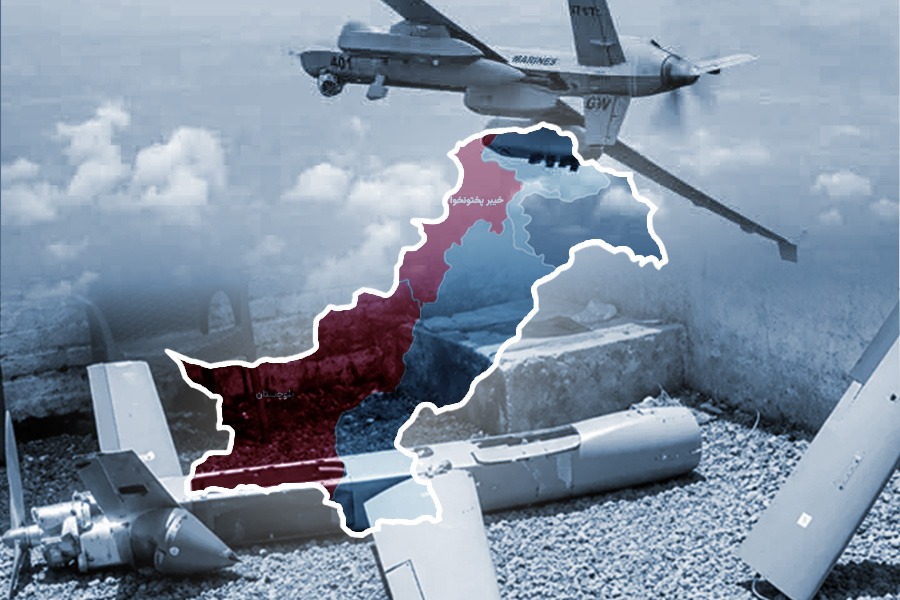
The cross-border aerial escalation along the Pakistan-Afghanistan frontier on June 30, 2026, marked a significant shift in the region’s security landscape. Following Pakistan’s precision counterterrorism operations against militant hideouts inside Afghanistan, the Afghan Taliban attempted to portray themselves as responding with equal force. However, their response failed to achieve any meaningful military objective.
According to official statements from the Taliban Ministry of Defense, four unmanned aerial systems (UAS) were launched toward Pakistan’s Balochistan and Bajaur regions. Pakistani air defense systems intercepted and destroyed all four drones before they could strike any targets. Rather than demonstrating military capability, the failed operation highlighted the Taliban’s limited technological capacity and exposed the weakness of their retaliatory strategy.
The incident also underscored the sharp contrast between the Taliban’s public rhetoric and their operational performance. While Taliban officials claimed to have conducted precise military action, their drones failed to penetrate Pakistan’s defenses or inflict any damage. The attempted response came after Pakistan targeted terrorist infrastructure allegedly linked to the Tehreek-e-Taliban Pakistan (TTP), reinforcing Islamabad’s position that militant networks continue to operate from Afghan territory.
Beyond the immediate military implications, the episode raises broader questions about the Taliban’s commitments under the Doha Agreement. The agreement required Afghan territory not to be used by terrorist groups to threaten other countries. However, Pakistan has consistently argued that TTP militants continue to find sanctuary across the border. International monitoring bodies have also expressed concern over the continued presence of multiple terrorist organizations and thousands of foreign fighters operating inside Afghanistan.
The Taliban’s pursuit of international recognition faces growing challenges as long as allegations of support or tolerance for cross-border militant groups persist. Seeking diplomatic legitimacy while failing to address terrorism concerns creates a significant obstacle to wider international engagement.
The unsuccessful drone operation ultimately reinforced Pakistan’s confidence in its defensive capabilities while highlighting the strategic limitations of the Taliban’s response. Islamabad maintains that protecting its sovereignty and eliminating cross-border terrorist threats remain central to its national security policy. If future provocations continue, Pakistan has signaled that it is prepared to respond with decisive military action while maintaining its counterterrorism posture.