

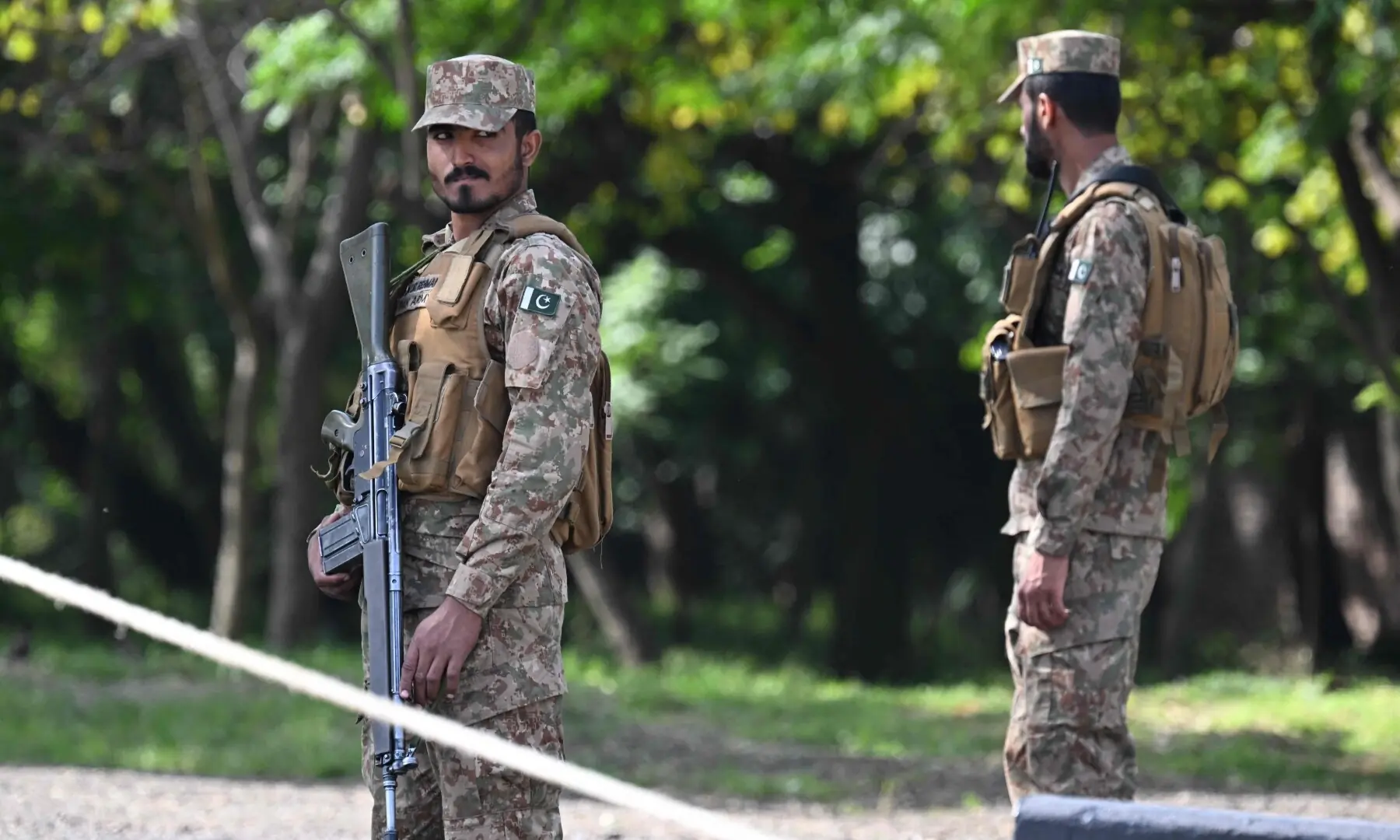
In South Asia’s evolving security landscape, Pakistan finds itself at the center of a complex and increasingly hybridized form of pressure. What once appeared as isolated insurgencies now reflects a wider ecosystem of influence, facilitation, and strategic intent operating across porous borders and competing regional interests.
From Pakistan’s security perspective, militant networks operating in neighboring spaces are no longer viewed as standalone actors. They are seen as part of a layered structure where local insurgent groups benefit from external safe havens, financial channels, and varying degrees of technical or logistical support. This combination allows them to persist despite sustained counterterrorism operations.
Security analysts and commentators in regional discourse have repeatedly pointed toward a triangular pattern of influence involving ideological facilitation, external funding, and access to advanced tools of disruption. While such claims remain part of contested narratives, the concern they reflect is rooted in observable realities on the ground: continued cross-border militancy, attacks on infrastructure, and persistent instability in sensitive regions.
Pakistan’s economic ambitions further complicate this security challenge. Large-scale connectivity and resource development initiatives, particularly in the western and southern corridors, remain vulnerable to disruption. Militant violence not only threatens human security but also directly impacts investor confidence, slows development timelines, and diverts state resources toward sustained security management.
International responses have, in some cases, reinforced Pakistan’s concerns. Certain organizations involved in violent separatist or insurgent activity have been formally recognized as terrorist entities by multiple states, reflecting a broader global acknowledgment of their operational nature. At the same time, intelligence and security establishments in various countries have expressed concern about the continued presence of multiple armed groups operating from ungoverned or semi-governed spaces in the wider region.
The strategic dimension of this environment is no longer limited to conventional insurgency control. It now includes information warfare, proxy competition, and the use of fragmented militant actors to influence geopolitical outcomes. This makes attribution complex, but the impact remains visible in persistent instability and repeated security incidents.
For Pakistan, the challenge is therefore multidimensional: securing borders, protecting infrastructure, countering militant recruitment, and sustaining economic development under continuous pressure. The intersection of these factors defines the current security equation, where peace and disruption operate in constant tension.