

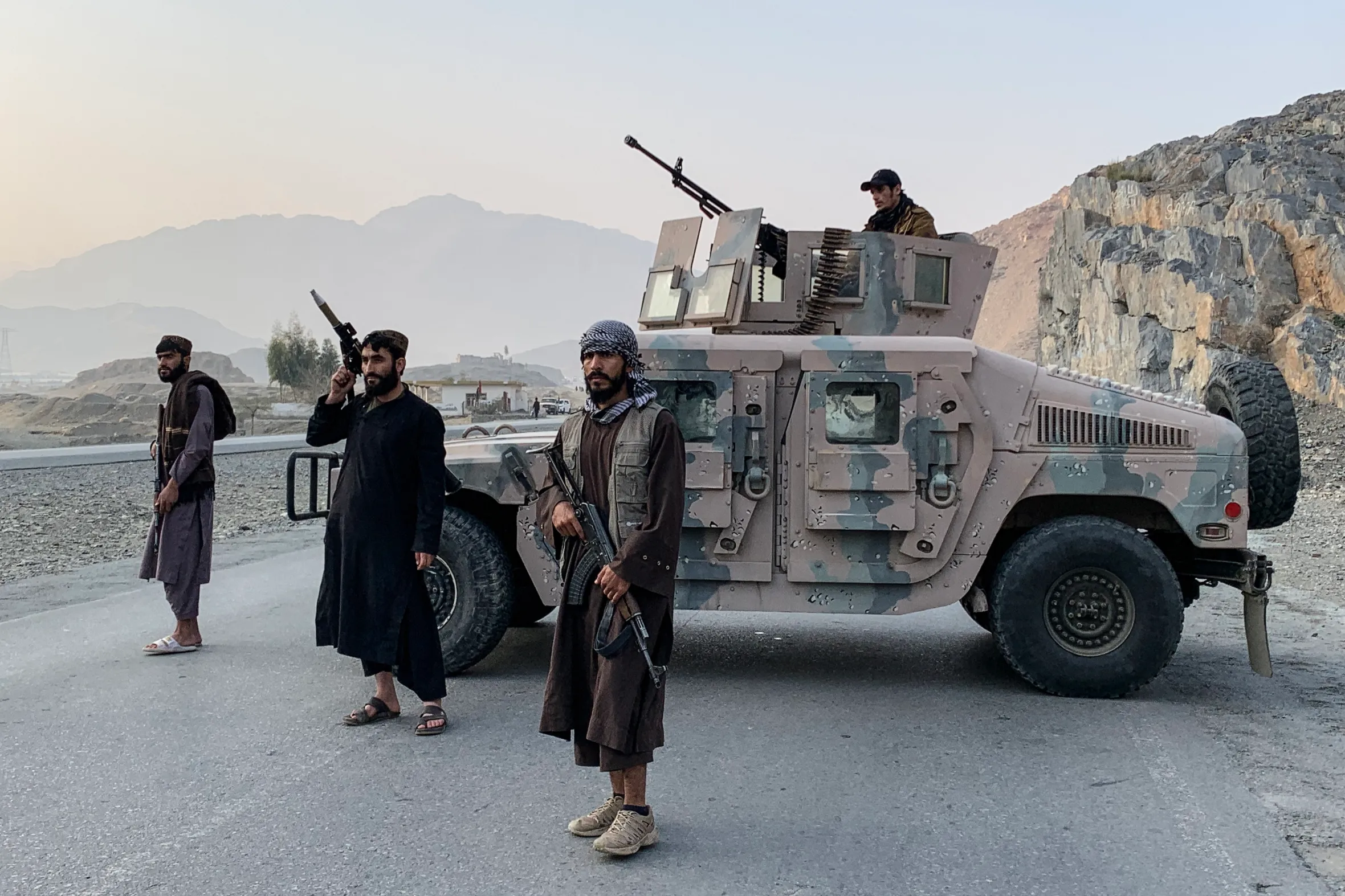
Afghanistan’s quest for international recognition remains entangled in a security dilemma it cannot easily escape. While the Taliban administration continues to seek diplomatic engagement and economic relief from the global community, persistent concerns over militant sanctuaries, particularly linked to Tehrik-i-Taliban Pakistan (TTP), continue to cast a long shadow over Kabul’s ambitions.
Recent developments, including international debates in Europe and growing Afghan diaspora activism, have once again brought the issue into focus. The Madrid demonstration, led by Afghan opposition voices, highlighted not only concerns over governance and human rights but also deeper anxieties about regional stability. Among these concerns, allegations of continued space and support structures available to TTP elements inside Afghanistan remain one of the most sensitive and unresolved issues.
For Pakistan, this remains a core national security concern. Cross-border attacks, intelligence assessments, and multiple international monitoring reports have consistently pointed toward the presence of militant networks operating from Afghan soil. While Kabul often denies institutional involvement, the persistence of these groups on Afghan territory continues to strain regional trust and complicate diplomatic normalization.
The Taliban, on the other hand, faces a strategic contradiction. On one side, it seeks recognition, access to financial systems, and relief from economic isolation. On the other hand, its ability or willingness to decisively eliminate or disassociate from all militant actors operating within Afghanistan remains under scrutiny. This gap between diplomatic aspiration and ground reality has become a defining barrier in its foreign policy outreach.
International actors, particularly in Europe and the wider West, increasingly find themselves navigating a delicate balance. Humanitarian engagement with Afghanistan is ongoing, but political recognition remains constrained by concerns over governance, rights, and security commitments. In this environment, TTP-linked concerns function not just as a bilateral Pakistan-Afghanistan issue, but as part of a broader international security assessment.
The Afghan diaspora opposition has further amplified these debates. By urging international institutions to maintain pressure and avoid legitimizing the current administration without conditions, these groups are reinforcing the idea that recognition must be earned through verifiable change, not assumed through engagement alone.
Economically, Afghanistan’s isolation is already severe, but security perceptions deepen that isolation further. Investors, donors, and international agencies remain cautious when regional instability risks spillover effects. The continued existence of militant safe-haven concerns undermines confidence in long-term stability and reconstruction prospects.
Ultimately, Afghanistan’s path forward depends on resolving a fundamental credibility gap. Without clear, demonstrable action against all forms of militancy operating from its territory, especially those affecting neighboring countries like Pakistan, the journey toward normalization will remain stalled. The shadows of TTP are therefore not just a security issue; they have become a defining obstacle to Afghanistan’s diplomatic and economic future.