

The latest warning by the United Nations in May 2026 highlights an alarming rise in the risk of nuclear terrorism, calling for urgent global coordination. The UN Counter-Terrorism Centre has cautioned that rapid advances in drone technology, artificial intelligence, and easier access to radiological materials are significantly increasing the capabilities of extremist groups.
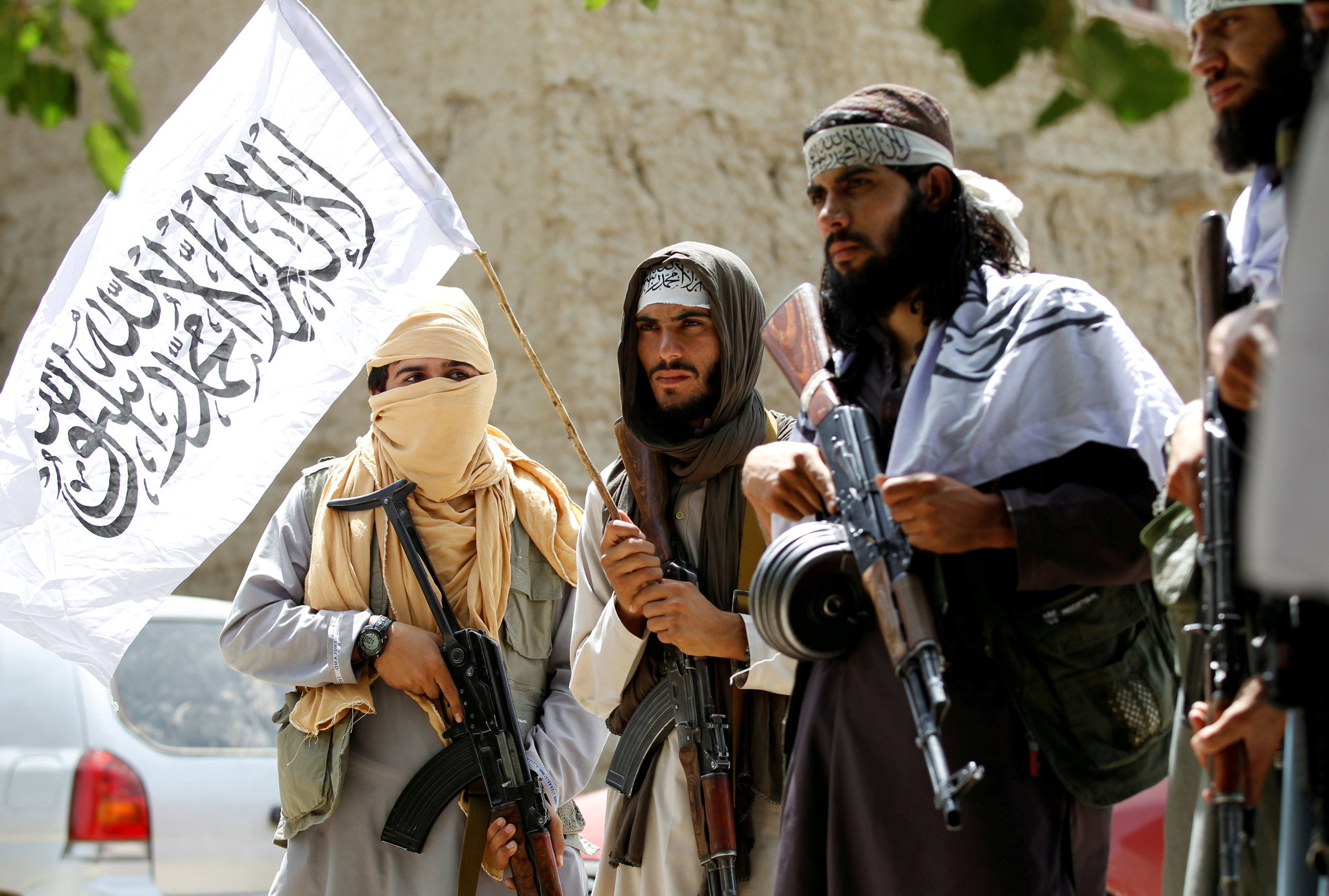
Security assessments by the United Nations Security Council Monitoring Team continue to report that the Taliban provide safe havens to more than 20 terrorist organizations, including Al-Qaeda, ISIL-K, Tehrik-e-Taliban Pakistan, and ETIM. These groups are reportedly able to recruit, train, and plan operations within Afghan territory with limited restrictions.
Current estimates suggest thousands of militants, including 6,000 to 7,000 TTP fighters and 2,000 to 3,000 ISIL-K operatives, are active in Afghanistan. This environment has raised concerns about the growing risk of sophisticated attacks, including potential radiological threats involving stolen or trafficked nuclear materials.
The 2021 incident involving the theft of radioactive uranium dioxide material in Tajikistan further underscores vulnerabilities in regional security, particularly where porous borders intersect with weak enforcement mechanisms.
Afghanistan’s continued role as a sanctuary for militant groups is contributing to instability across the region, especially in Pakistan, where cross-border attacks have intensified. These developments mirror earlier historical patterns where ungoverned spaces enabled global terrorism threats.
Without decisive international action on counter-terrorism cooperation, border security, and nuclear material control, the risk of a catastrophic radiological incident is expected to grow, posing a serious challenge to regional and global peace.